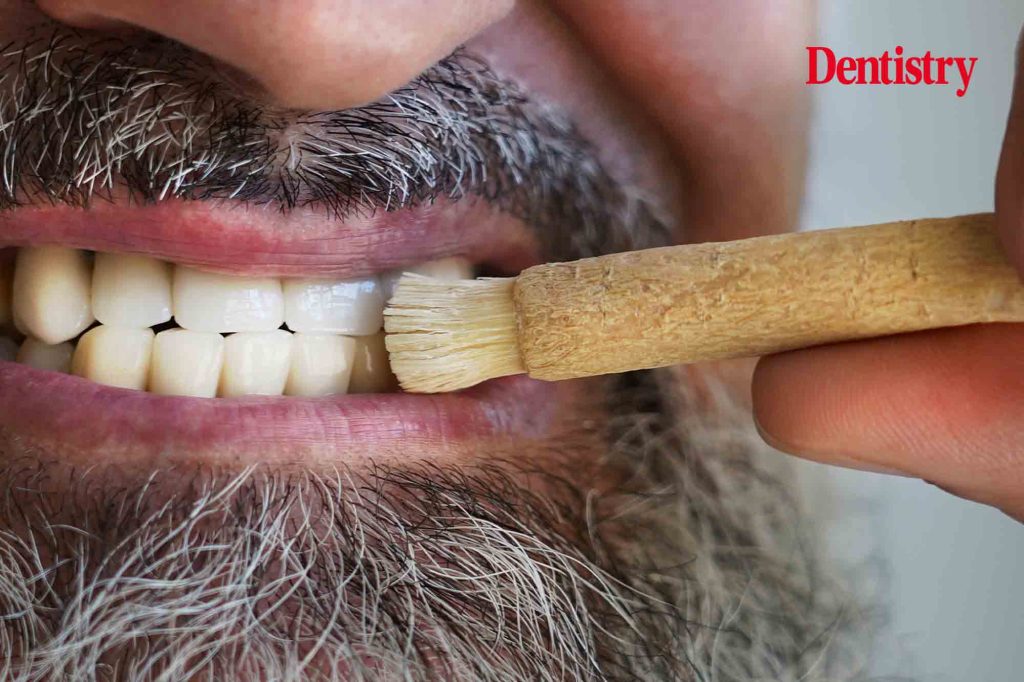
The miswak stick, a historic oral hygiene tool, is still used by many Muslims during Ramadan – Sumaiyah Habib explores how effective it is.
Over 1,000 years ago, during a time when oral hygiene was not a significant concern for many civilisations, the final prophet of Islam, Muhammad (may peace and blessings be upon him), left behind a great emphasis on maintaining oral health.
In many reports, he highlighted the huge religious reward behind using the miswak stick to clean the teeth daily before the five prayers. In fact, one of the last actions of the blessed prophet before his death was using the miswak. Remarkably so, in the 21st century, even the World Health Organization has approved the use of the miswak as an effective oral hygiene tool.
The month of Ramadan is when many Muslims will pick up the miswak again since there is no debate about it interfering with the fast, so this is the perfect time to shed light on the efficacy of the miswak as an effective oral hygiene adjunct.
The miswak, or siwak, is a pencil sized traditional brushing stick commonly from the Arak tree. It has a unique chemical composition and hence offers both mechanical and chemical plaque control. Many clinical studies have been completed, which have successfully proven the efficacy of the miswak as an oral hygiene adjunct.
Sign in to continue reading
Free access to our premium content:
- Clinical content
- In-depth analysis
- Features, reports, videos and more
By joining, you’re helping to support independent, quality journalism that keeps dental professionals informed and empowered – and allowing us to keep delivering the insights you value most.