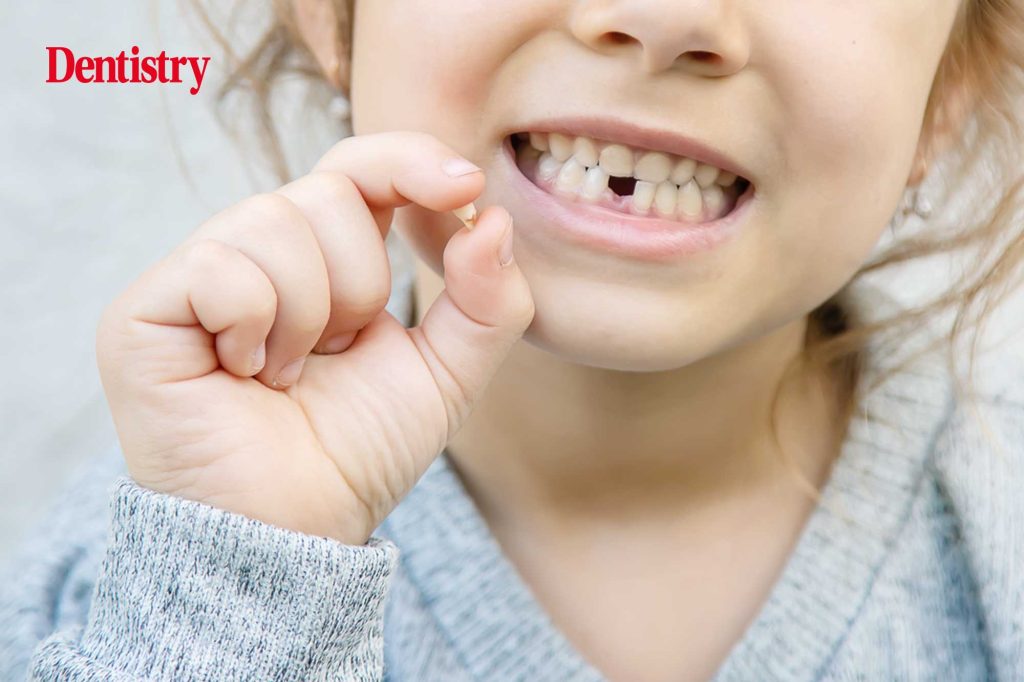
Companies charging thousands of pounds to bank stem cells from children’s milk teeth have been accused of making ‘unproven and potentially misleading’ claims about their future medical value.
The claims include that stem cells banked from teeth are already being used in treatments for autism and diabetes, according to a British Medical Journal (BMJ) investigation.
Stem cell banking companies harvest and store dental pulp stem cells from milk teeth sent by parents after they fall out. The service costs roughly £1,900 with an additional annual storage charge of around £95.
One UK-based bank said it had released 26 tooth stem cell samples for treatment of a range of conditions including autism, type 1 diabetes, and knee cartilage regeneration. Another cited treatment of cleft palates, sickle cell disease, HIV/AIDS and severe combined immunodeficiency. A third said it had ‘already witnessed the remarkable evidence of these ongoing developments’ among its customers.
However, experts have questioned the validity of these claims, with the suggestion that the cells could be used to treat autism deemed ‘outrageous’.
Tim Nicholls, assistant director of policy, research and strategy at the National Autistic Society in the UK, said: ‘It’s outrageous that tooth stem cell procedures are being advertised to parents with the false claim of “treating” autism.
‘Autism is not a disease or illness, it cannot be treated and there is no cure. It is dangerous and morally bankrupt to target potentially vulnerable people with expensive procedures that could, in fact, cause harm.’
‘A lack of evidence and a paucity of research’
Similar concerns were raised about potential treatment of other diseases. Sufyan Hussain, an investigator on the UK arm of a global clinical trial evaluating stem cell therapy for type 1 diabetes, said: ‘At present, there isn’t a definitive answer regarding the optimal source of stem cells for future diabetes therapies.’
Jill Shepherd, senior lecturer in stem cell biology at the University of Kent, added: ‘There is a lack of evidence and a paucity of research using dental pulp stem cells to treat patients.’
Dr Shepherd said parents should be given more information to verify:
- That stem cells are present in the stored samples
- That the samples have been collected properly
- How long such samples can be viably stored.
The BMJ has raised its concerns with the Advertising Standards Agency, which has said it will review the evidence.
In response, one of the banks has pledged to assess the information on its website to ensure ‘readers can clearly distinguish between client experiences and formally published clinical outcomes’.
The company also said it has a ‘robust, ongoing, storage stability validation programme’ which ensures ‘there is no deterioration in the integrity, viability or future potential of biological samples’.
Follow Dentistry.co.uk on Instagram to keep up with all the latest dental news and trends.