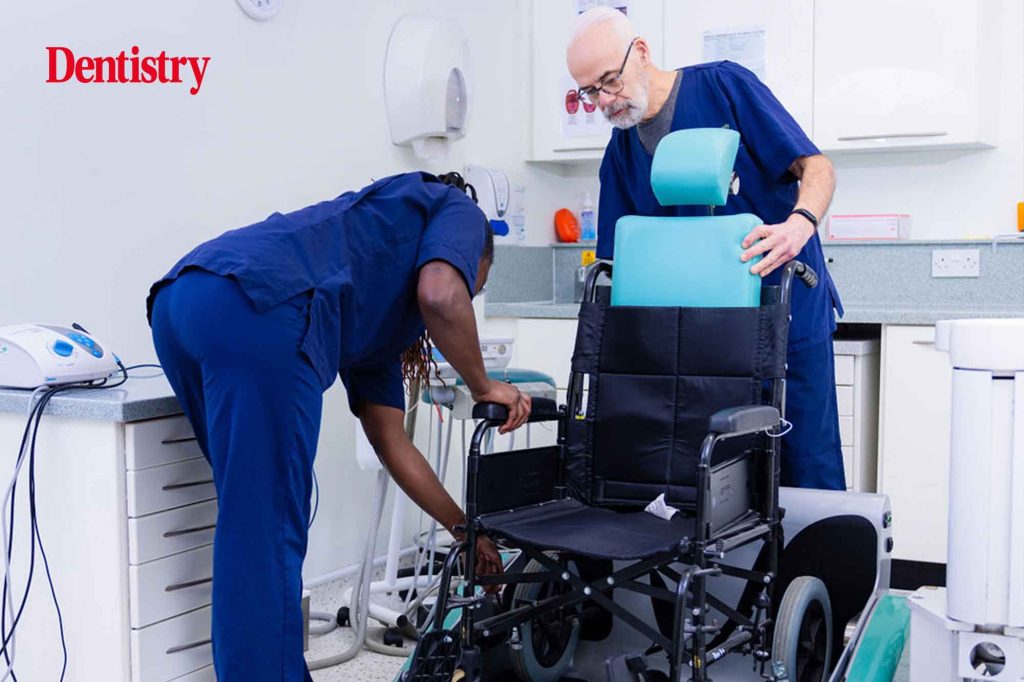
Nicola Milner, chief operating officer for Community Dental Services CIC (CDS), explains why community dentistry is a ‘vital component’ of the NHS framework.
Community dental services are deeply intertwined with delivering equitable care to those unable to access routine high-street dentistry due to physical, mental, social or economic barriers.
This article explores why community dental services are essential within the structure of NHS dentistry, identifies core barriers faced by vulnerable populations, and highlights factors required to future-proof this vital service.
As a referral service, CDS bridges the gap between primary general dental services and secondary hospital-based dental care. It particularly caters for children and adults with special needs, severe dental anxiety, or complex health issues.
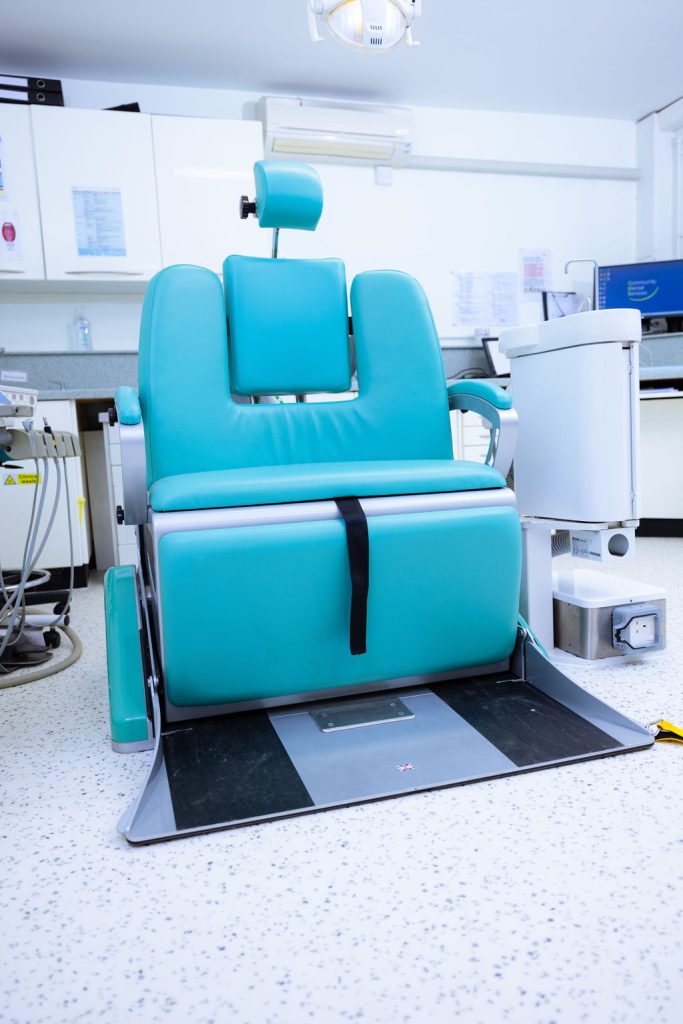
We treat vulnerable patients who would not otherwise be able to access dental treatment. Patients typically have complex additional needs such as learning disabilities, autism, mental health issues, or are in situations that make it challenging to access general dental care, for example, due to homelessness. They may require specialist equipment including bariatric dental chairs, The Wand for needle phobic patients or sedation.
An ageing population, more complex health needs, and an increase in children with high levels of decay are creating a significant rise in demand for our services. Through specialised paediatric and special care dentistry, CDS clinicians deliver a wide range of preventive, restorative, and surgical treatments, both in community clinics and hospitals.
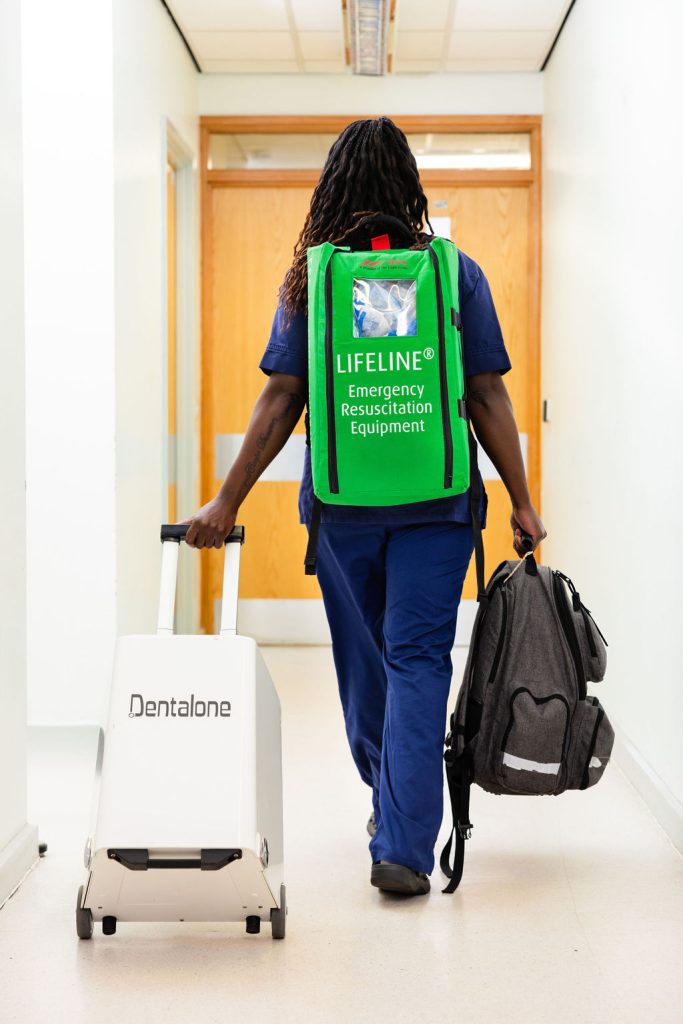
We have mobile dental units, which allow us to work in community settings like schools, care homes and in homeless centres. Our domiciliary teams will visit patients to provide dental care in their homes.
How does community dentistry improve care?
CDS enhances patient care by collaborating with other health and social care professionals to ensure we make every contact count. It is routine, in our hospital general anaesthetic sessions, to have other specialties attend to carry out investigations for our patients with severe learning or physical disabilities. For example, we might carry out blood tests, ECGs and CT scans at the same time as their dental treatment. This way, the patient only has to undergo a single episode of treatment under general anaesthetic.
Our patients have complex needs, are marginalised and find accessing health care in general more challenging. Accessing NHS dental care is difficult for the population as a whole and even more difficult where people have complex needs. We know, for example, that people who are homeless can be reluctant to visit any healthcare setting for fear of being judged negatively.
Prevention-based clinics
In our clinics, we are also seeing an increase in the ‘COVID generation’ of children who have never been able to see a dentist. These children are not familiar with the dental environment and families have not had access to preventative advice. This means children are presenting with exacerbated dental decay combined with extremely high levels of anxiety making treatment difficult. It is these children who invariably find themselves on the general anaesthetic pathway for tooth extractions.
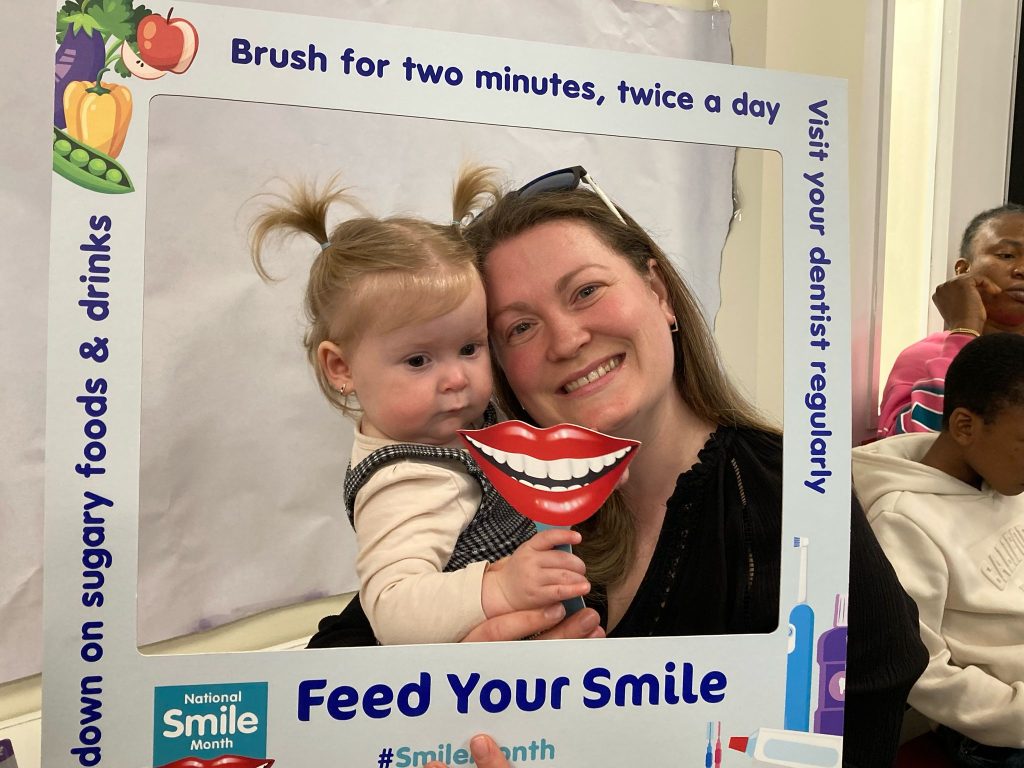
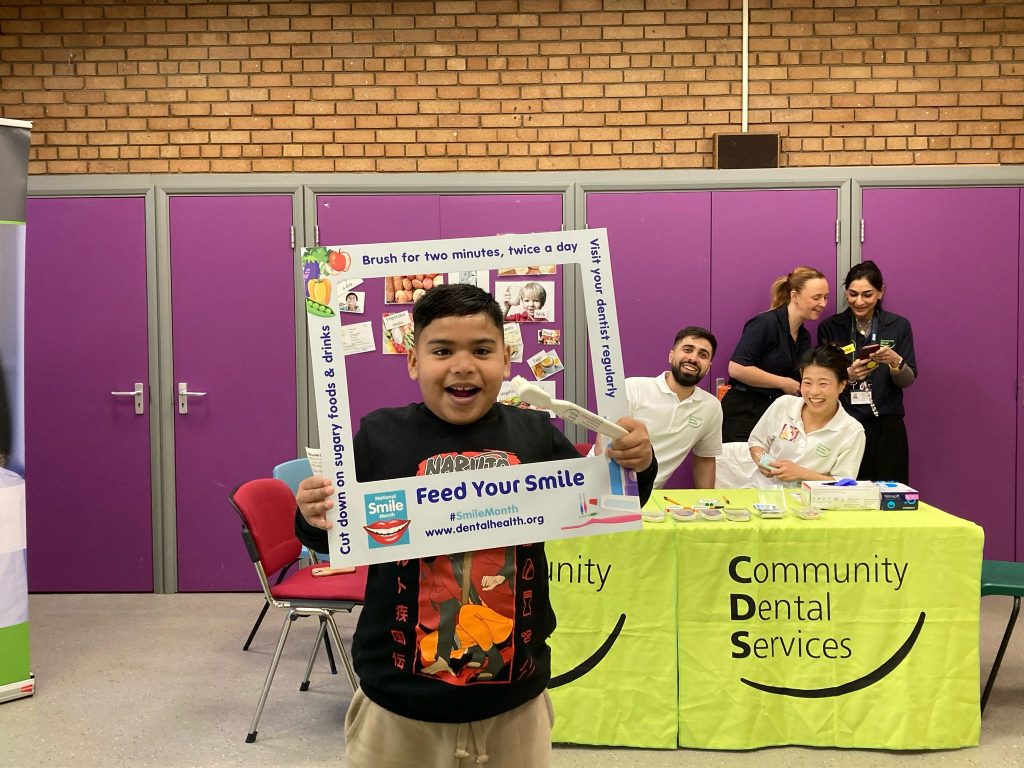
This is regrettable because with early intervention of oral health information for families and application of low cost and minimally invasive treatments such as fluoride varnish, many of these admissions could be avoided. In our organisation, we have developed prevention-based clinics in our surgeries or in community settings to try and address this. This is why we are working with commissioners in some areas to set up child focused dental practices in partnership with colleagues in general practice. More initiatives like these are needed.
The challenges in accessing NHS dental care are making it more difficult to refer patients back to their dentist after a course of treatment, increasing pressure on our waiting lists
There is also a huge amount of unmet need for the vulnerable elderly population, especially those who are in care homes. This increases the demand for domiciliary care. We are keen to explore how lessons learnt from the ‘child focused’ model can be adapted to increase capacity for care in this group of patients.
Community dental services traditionally rely on a shared care model with general practice. The challenges in accessing NHS dental care are making it more difficult to refer patients back to their dentist after a course of treatment, increasing pressure on our waiting lists. Without a general dental practitioner, patients often struggle to be referred, leading to a deterioration in their oral health and an increase their treatment needs. Gaining access to general anaesthetic sessions in hospital is also an issue, meaning our vulnerable patients are sometimes left waiting longer than we would like to receive care.
Workforce challenges
There are workforce challenges, especially in rural and coastal areas away from the big cities and established dental schools; this can be more acute in our sector, which is often overlooked. It is important that community dental services is seen as an attractive career choice for young dental professionals, featuring prominently on undergraduate courses, and that there are community dental posts within foundation and dental core training.
Community dental services remain a vital component of the NHS dental framework, empowering equitable care for the UK’s most vulnerable population groups. Despite facing pressures, it will continue to have a far-reaching impact on the lives of some of our most vulnerable members of society.
Follow Dentistry on Instagram to keep up with all the latest dental news and trends.