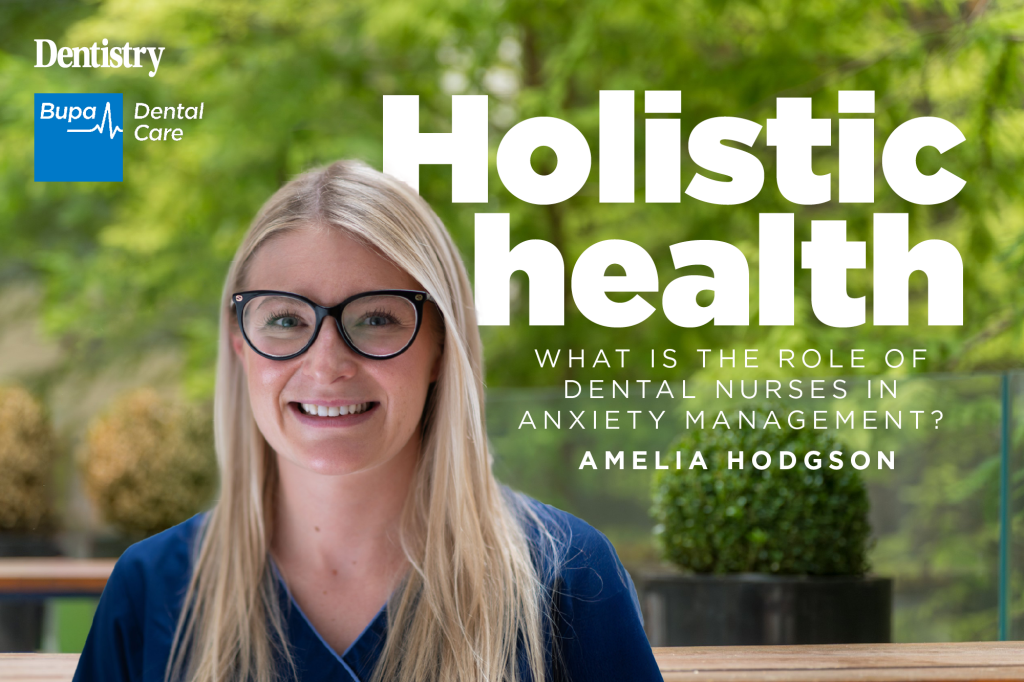
Amelia Hodgson considers what dental nurses, alongside the wider practice team, can do to help nurture a positive experience for those experiencing dental anxiety.
Many people experience dental anxiety and for some it can be a significant barrier to accessing essential dental care.
From entering the surgery and having their first conversation, to sitting up in the chair at the end of their treatment, every interaction plays an important role in creating a calm, welcoming environment for anxious patients – something dental nurses are often central to.
Working as a team
Helping patients to feel safe and supported is a responsibility shared across the whole dental team. Everyone plays their part, and this often happens naturally without us even realising it.
Whether booking their appointment online or over the phone, if a patient mentions they are feeling anxious there is often an opportunity for a member of the reception team to have a direct, human conversation with them and offer some initial reassurance.
They can also flag this in the appointment notes, giving the nurse and dentist time to prepare and adapt the appointment accordingly.
Building trust from the start
One of my daily routines as a dental nurse is to check the list of appointments ahead of time, scanning for notes from previous visits, or comments from the reception team about worried or anxious patients.
This proactive approach helps us to plan, whether that be allowing extra appointment time, adjusting the environment, or reusing techniques that have worked well previously for the patient to create a personalised and familiar experience.
When the patient arrives for their appointment, my approach starts the moment I greet them in the waiting area; presenting an opportunity to engage in light, friendly conversation on our walk to the surgery which helps ease nerves and lay the foundations for a positive experience. These small moments often make a big difference for someone who feels uneasy.
Sustaining a calm environment
It’s important the patient feels this relaxed, calm and controlled tone carry on into the chair. Nurses can help to sustain this by using a calm and gentle voice, keeping a relaxed walking pace without rushing around unnecessarily, and preparing all equipment in advance so the focus stays on the patient.
Environmental adjustments can also be made where possible, like offering to play music or a podcast, keeping dental instruments out of sight if they find them intimidating, or adjusting the lighting and chair position to their comfort.
Clinical partnership
Supporting an anxious patient in surgery is a partnership between the nurse and dentist. Keeping constant dialogue is key to this, as when we appear well prepared and aligned in our approach, the patient feels confident that everything is under control and they are in safe hands.
I try to pay close attention to the patient’s body language throughout their appointment, and look out for signs they might be overwhelmed, such as fidgeting or shallow breathing. If I see these indicators, I can subtly alert the dentist so they can respond accordingly, whether that be slowing the pace, taking a break, or offering gentle reassurance.
Celebrating the small wins
For many anxious patients, just attending their appointment is an achievement. Once they have successfully completed their treatment, offer praise and encourage them to reflect on their progress, reminding them that feeling nervous is completely normal. Celebrating these small wins helps to build confidence and reduce anxiety ahead of future appointments.
Recognising and remembering
Once the patient has left, take note of everything that helped to create a positive experience, whether that was explaining things in a particular way, adjusting the environment, or a specific technique. Document this in the patient notes to help ensure continuity for future visits.
Dental nurses are uniquely placed to shape the patient experience. Often being the first and last point of contact during the treatment experience, our ability to build trust, create calm and provide reassurance is central to supporting those who feel anxious or overwhelmed, so they can access the important care they need.
For more information on careers at Bupa, you can visit: jobs.bupadentalcare.co.uk.
Read more from this series:
- Supporting those experiencing bereavement in the dental workplace
- Managing TMD, bruxism and TMJ disorders in general practice
- Supporting lifelong oral health from the very first visit
- Why learning is key to a healthier, happier mind – at any age
- Why your gums matter for your overall health.
This article is sponsored by Bupa Dental Care.