As 2025 draws to a close, Aligner Dental Academy (ADA) reflects on a year dedicated to elevating clinical excellence in Invisalign orthodontics.
For thousands of clinicians worldwide, ADA has served as a trusted educational partner, supporting dentists in mastering biomechanics, improving predictability, and enhancing patient outcomes.
The year’s series followed a structured, evidence-based pathway, with each month’s topic building deeper clinical understanding. This final review of the year discusses the most popular articles and core lessons that shaped a year of growth, mentorship, and clinical refinement.
Preventing posterior open bite: from planning to prevention
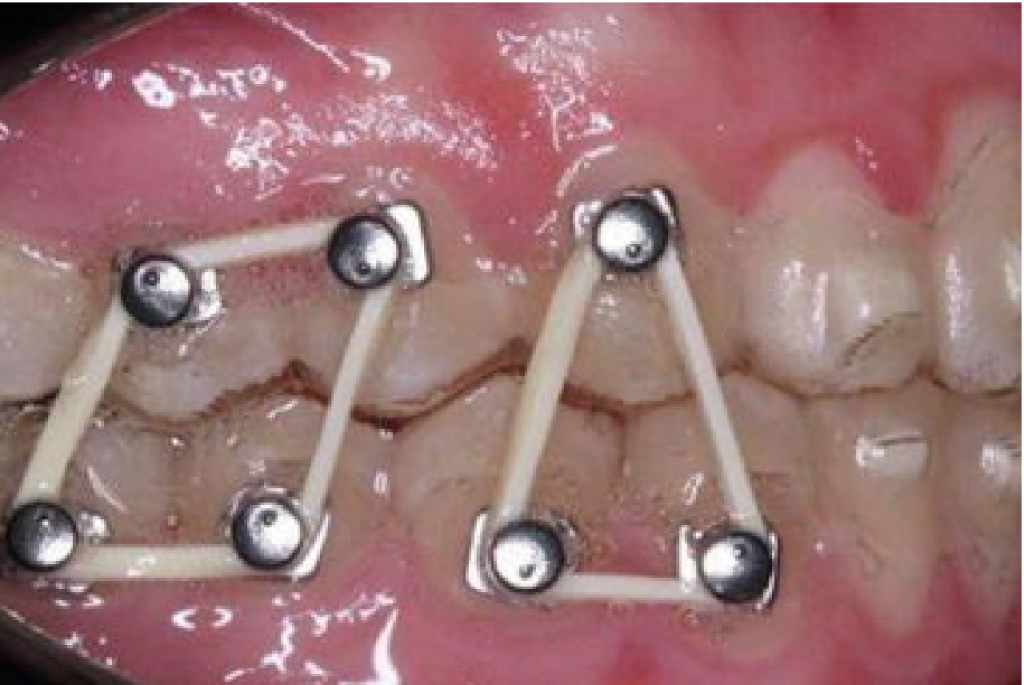
The article on posterior open bite (POB) detailed the multifactorial causes of POB:
- Bite-block effects of thick aligner plastic
- Premature anterior contacts caused by uncontrolled lingual tipping
- Unintended buccal tipping during expansion
- Under-extruded molars
- Elastic-induced interference
- Tongue posture and habit-related occlusal patterns.
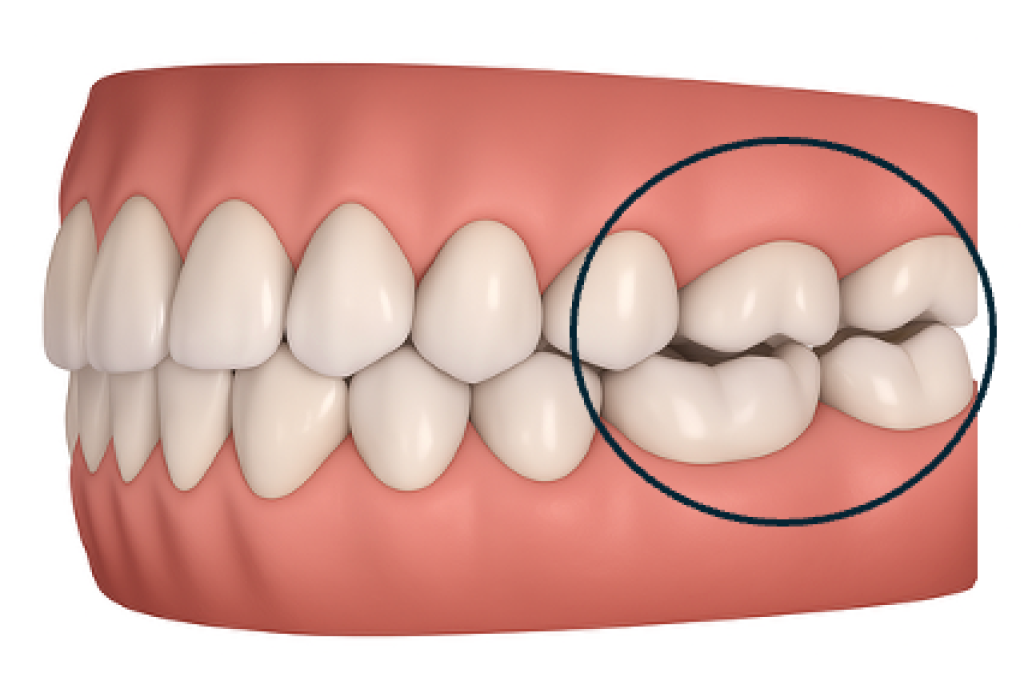
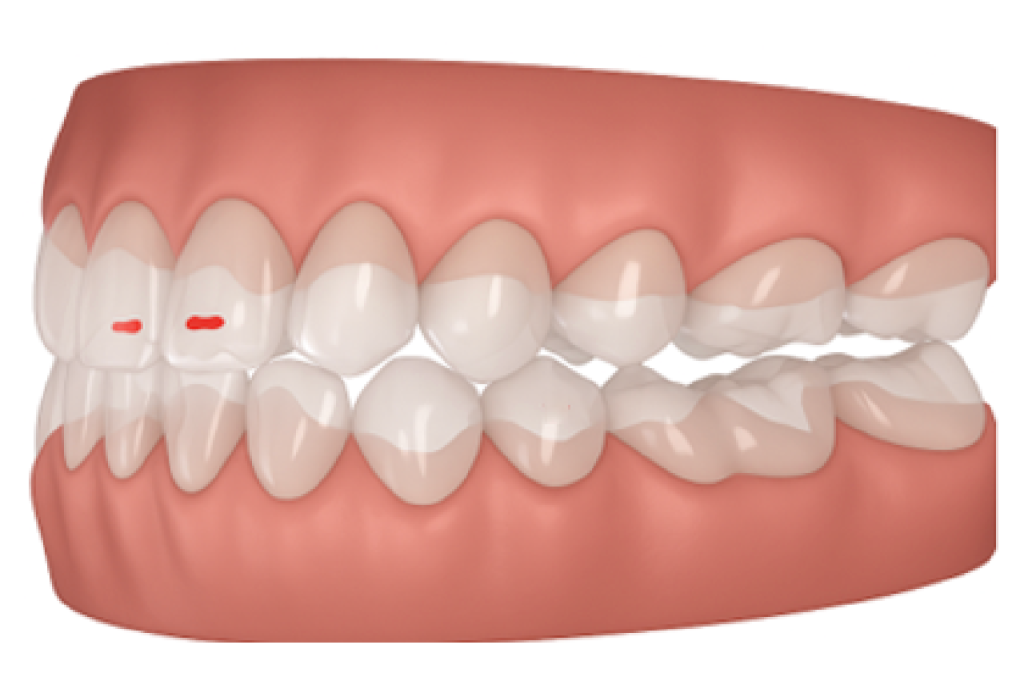
Clinical prevention begins with careful treatment planning, including monitoring of occlusal contacts and anticipating compensatory staging. ADA reinforced the importance of mid-treatment checks to avoid progressive open bite development.
For management, a tiered strategy was recommended:
- Dahl appliances for mild anterior interference
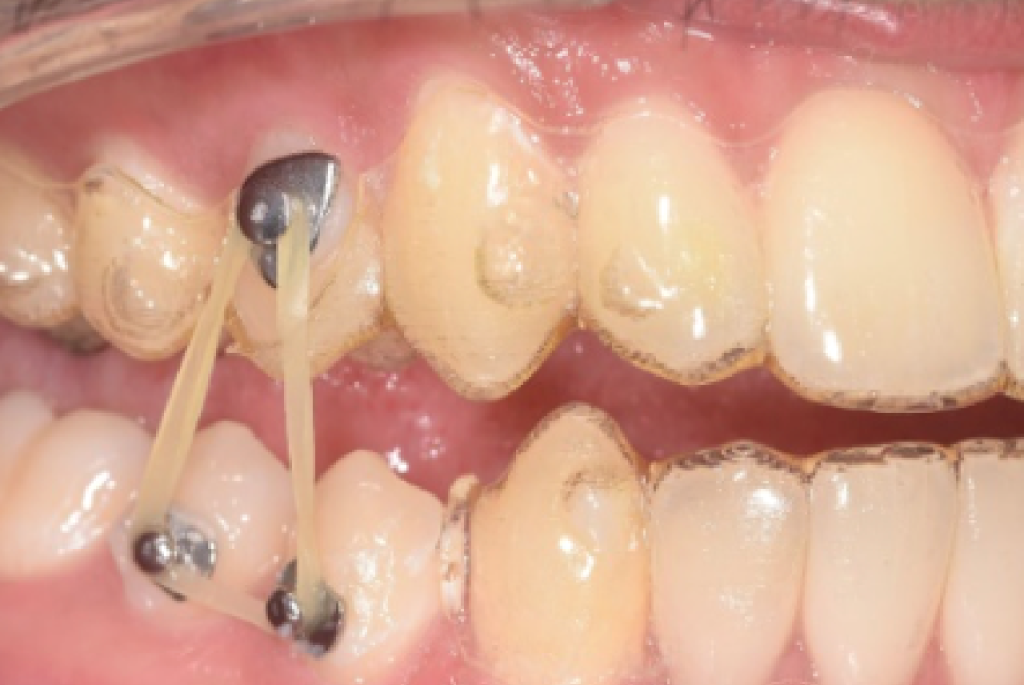
- Targeted vertical elastics for discrepancies under 2mm
- Additional aligners with controlled extrusion for generalised POB.
Above all, ADA urged clinicians to set realistic expectations, POB often signals the need for planned refinement, not clinical failure.
Advance your careers with ADA’s Professional Certificate
As per GDC requirements, dentists must demonstrate competence in orthodontic procedures and possess the necessary knowledge, skills, and experience to perform treatments safely and effectively.
This certification attests to your credibility, assuring patients that they are receiving expert treatment from a qualified provider.
ADA’s Professional Certificate is an EduQual Level-7-accredited programme designed for clinicians seeking structured mastery in clear aligner therapy and digital dentistry.
We are dedicated to boosting your clinical confidence, strengthening your professional credibility, and expanding your Invisalign cases through the practical application of our course. Delivered through a blended-learning model, the course accommodates busy practitioners work-life balance with self-paced modules, expert-led monthly webinars, in person learning day in London, supported digital treatment planning, personalised mentor calls and six months of unrestricted access to extensive digital resources.
The Certificate is structured into 5 essential domains, each of which plays a crucial role in providing a comprehensive and well rounded education in
clear aligner therapy. It allows clinicians to consolidate foundational knowledge, refine biomechanics, and build confidence in treatment planning and case acceptance.
Class II mastery and force-driven mechanics
April featured two most read articles, centred on tackling Class II malocclusion with Invisalign, highlighting the importance of force-driven biomechanics for challenging root movements, reminding clinicians that predictable Class II correction requires strategic treatment sequencing, overcorrection strategies, optimised attachments and not simply a digital treatment simulation.
Key takeaways included:
- Precise staging of distalisation to avoid round-tripping and unwanted anchorage loss
- Anchorage management through selective extrusion and torque control
- Assessment of vertical dimension, especially in hyperdivergent patients
- Judicious use of auxiliaries, including Class II elastics, IPR, and attachments.
Aligners alone are passive plastic trays, until the clinician transforms them into biomechanically intelligent force-delivery systems.
The nemesis tooth and predictable extrusion
June’s articles addressed two high-difficulty movements familiar to every Invisalign provider: controlling upper lateral incisors and achieving predictable single-tooth extrusion.
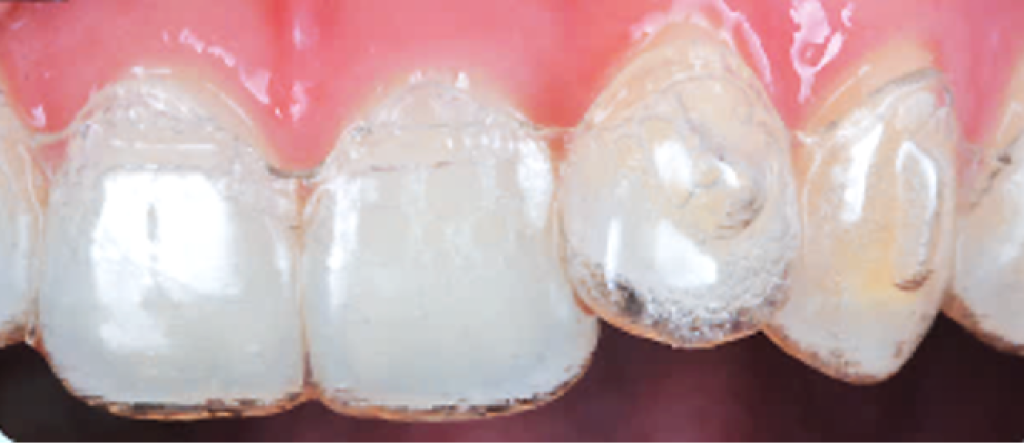
Upper laterals – often the ‘nemesis tooth’ – pose challenges due to small crowns, tapered roots, and limited aligner surface contact. ADA emphasised:
- Use of optimised or rectangular attachments to enhance grip
- Smart staging to avoid lag or tracking loss
- Appropriate overcorrection to ensure root-centred movement
- Patience, as lateral incisors often require more aligner sets than adjacent teeth.
The second article examined force-driven extrusion, underscoring the importance of aligning force vectors with root anatomy. Rectangular attachments, anchorage design, staging pauses, and controlled vertical elastics were highlighted as key components for extrusion success without inducing unwanted reciprocal effects.
Ortho meets restorative – the ultimate power duo: a powerful partnership
Our article on interdisciplinary treatment planning explored the synergistic relationship between orthodontics and restorative dentistry. Modern digital workflows now enable clinicians to plan tooth movement with restorative endpoints already in mind. This approach enhances facial harmony, protects occlusal dynamics, and creates ideal restorative space for composite bonding, veneers, or full rehabilitations.
ADA encouraged clinicians to engage in collaborative treatment planning. aligning orthodontic, periodontal, and restorative objectives from the outset to ensure long-term aesthetics and functional stability.
Optimising interproximal reduction (IPR)
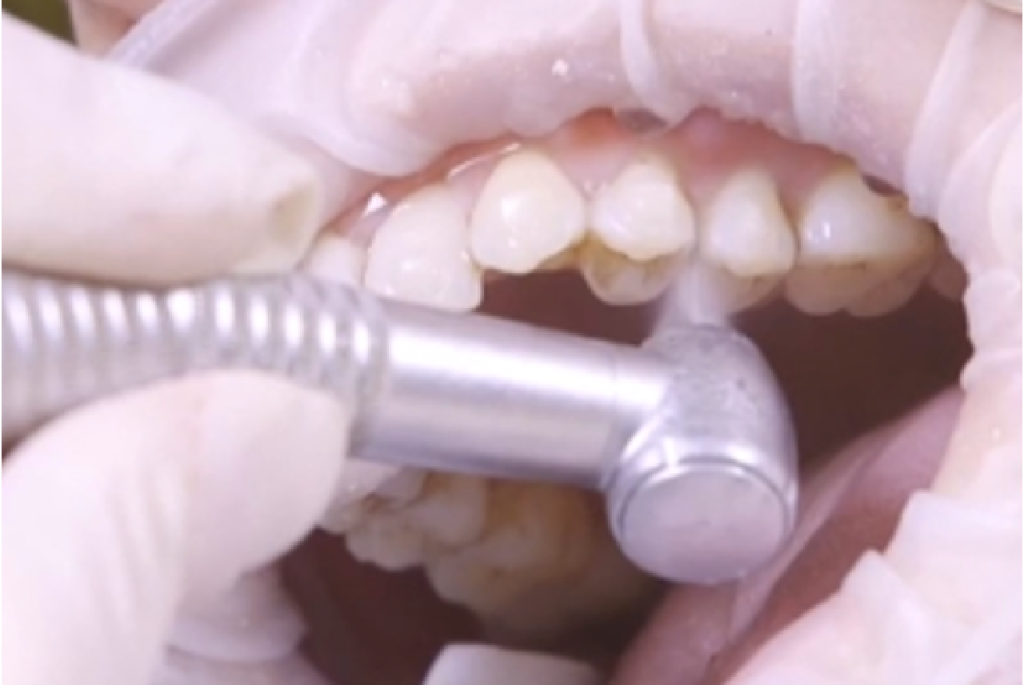
ADA recommends IPR limits to 0.3mm anteriorly and 0.5mm posteriorly per contact, serve to protect enamel while guiding controlled movement.
Essential clinical steps include:
- Measuring reduction before and after
- Regular bur calibration
- Documentation of performed IPR.
The article encouraged practitioners to treat IPR as a biomechanical instrument, one that must be measured, verified, and respected.
The Aligner Dental Academy remains passionate about providing peer-based support, world-class education, and practical tools that enable dentists to enhance accuracy, optimise workflow, and strengthen patient trust.
Our members gain access to expert mentorship, case-planning support, hands-on training, monthly webinars, and an extensive on-demand educational library.
From foundational learning to advanced biomechanics, ADA has remained a steady partner in every clinician’s journey – supporting each case, challenge, and success. For more information on joining the Aligner Dental Academy, click here.
This article is sponsored by Aligner Dental Academy.