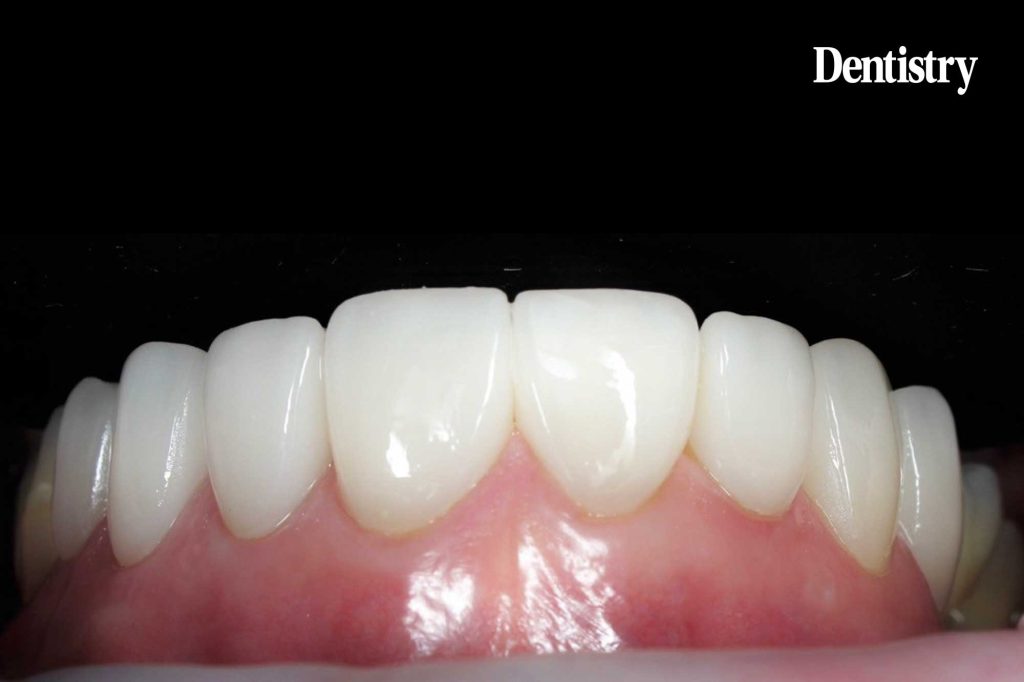
Hassan Adnan discusses his experience with First Fit veneers and the training he undertook to expand his treatment offering.
In the ever-evolving field of cosmetic dentistry, it’s often the stories from clinicians on the ground that best illustrate the power of new techniques and workflows. We recently sat down with Dr Hassan, based at 518 Dental in Greater Manchester, to discuss his experience integrating the First Fit porcelain veneer system into his practice. From initial training to real-world application, Dr Hassan offers a candid and insightful look into what it means to adopt innovation with purpose.
A journey from composite to porcelain
Graduating from Plymouth University in 2018, Dr Hassan began his career in a mixed NHS and private practice setting. While initially focused on composite work – bolstered by training in other systems – he soon recognised the potential benefits of porcelain veneers, especially in his patient base.
‘Composite was a great starting point for cosmetic cases, but the long-term results and patient expectations pushed me toward porcelain,’ he explains.
After completing additional courses, including the First Fit Porcelain Veneer and injection mould techniques, Dr Hassan began to expand his treatment offerings to match the growing demand for durable and aesthetically superior solutions.
Why First Fit?
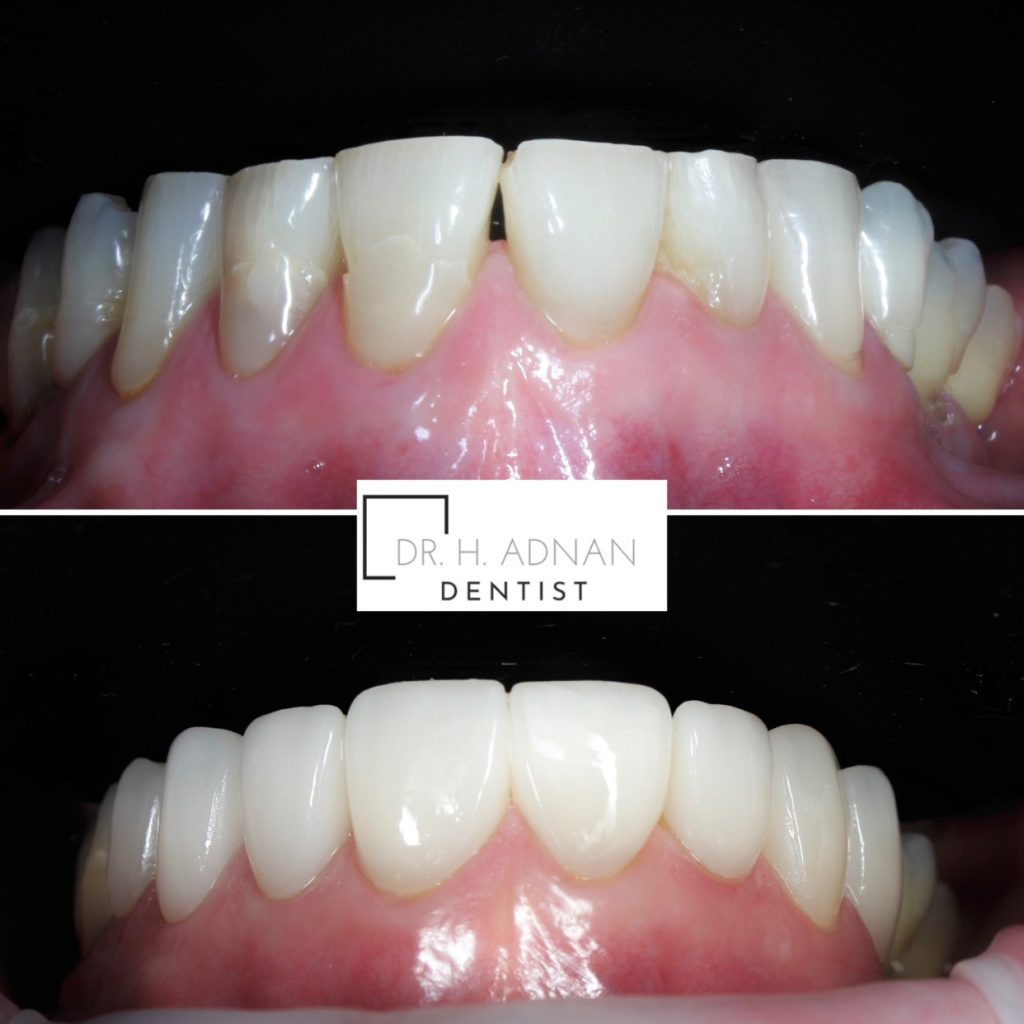
Dr Hassan’s first case using First Fit was for an NHS patient with tooth surface abrasion and incisal wear who expressed interest in veneers.
‘It was my first porcelain veneer case, and I wanted the extra confidence that the prep guides and insertion tray could provide,’ he says.
What stood out to him was the end-to-end digital workflow – from the initial consultation and digital scan to the motivational mockup and final fit. Being able to show patients a mock up of the proposed treatment helped secure informed consent and added clarity to the process.
‘The patient found the prep guides much less intrusive than expected and it was quicker than regular prepping,’ Dr Hassan adds, emphasising the value of test-driving the proposed final smile before final commitment.
Communication with the lab and workflow challenges
While positive about the First Fit system, Dr Hassan offered also praise for the case upload system with Avant Garde called the portal.
‘The portal is easy to navigate and automatic and having a set time for approval of the case made sure I was on my toes to make sure that all the steps were being completed in a timely manner. In more complex cases I maybe would need more time between each stage to allow more patient feedback, however the Avant Garde lab team is excellent and can help in all these situations.’
What came across from this discussion was the structured workflow and simplified cementation process helping Dr Hassan maintain clinical confidence.
Equipment and cementation protocol
Working with an iTero Element scanner, Dr Hassan noted its accuracy and usability. However, his practice currently lacks a 3D printer, relying fully on the lab for model and tray fabrication. Dr Gardee encouraged him to consider adopting in-house printing, calling it a potential ‘game-changer’ as so much time and money can be saved with this simple add on to the equipment available to dental practices. Avant Garde is a reseller for Sprintray and has some of the best installation support and continued education for their customers.
When it came to cementation, Dr Hassan followed protocols learned during training at the Avant Garde courses, using ivoclean, mono bond plus, etching gel, and light-cure cement with careful shade matching.
‘It’s a methodical process, and having a protocol makes it repeatable and less stressful,’ he said.
Learning and support through Avant Garde
Dr Hassan described his First Fit training as informative and a lot of delegates present at the course. The practical component was useful, and direct contact with mentors like Robbie and Dr Gardee made a substantial difference. He emphasised the value of the Avant Garde community, especially the delegate WhatsApp group where real-time advice flows freely.
‘Having that kind of access makes a huge difference when you’re doing something new. It really boosts your confidence,’ he said.
Dr Gardee echoed this, praising Avant Garde’s mission to elevate dentistry through standardised digital workflows and accessible support.
Looking ahead
Dr Hassan has both regular veneers and potential First Fit cases lined up and he’s successfully used the composite veneers system with insertion trays and has seen how it reduces chair time significantly. But in particular the First Fit guides preparation system impressed him.
‘Prepping eight teeth took me around one and a half to two hours using the guides. I wouldn’t have felt that confident without them,’ he shared.
As he continues to build on his skills, Dr Hassan is enthusiastic about incorporating more First Fit cases and evolving his workflow with technology.
Final thoughts
Dr Gardee closed the conversation by commending Dr Hassan for embracing digital techniques and encouraging his continued involvement with the Avant Garde community.
‘You’re exactly the kind of clinician we love to support – curious, honest, and focused on doing what’s best for your patients,’ he said.
As Hassan prepares to share his clinical photos and finalise the article for publication, it’s clear he represents a new wave of dentists combining foundational skills with modern innovation. His journey is not only inspiring – it’s a blueprint for others navigating the intersection of tradition and technology in contemporary dentistry.
Find out more about Avant Garde.
This article is sponsored by Avant Garde.