
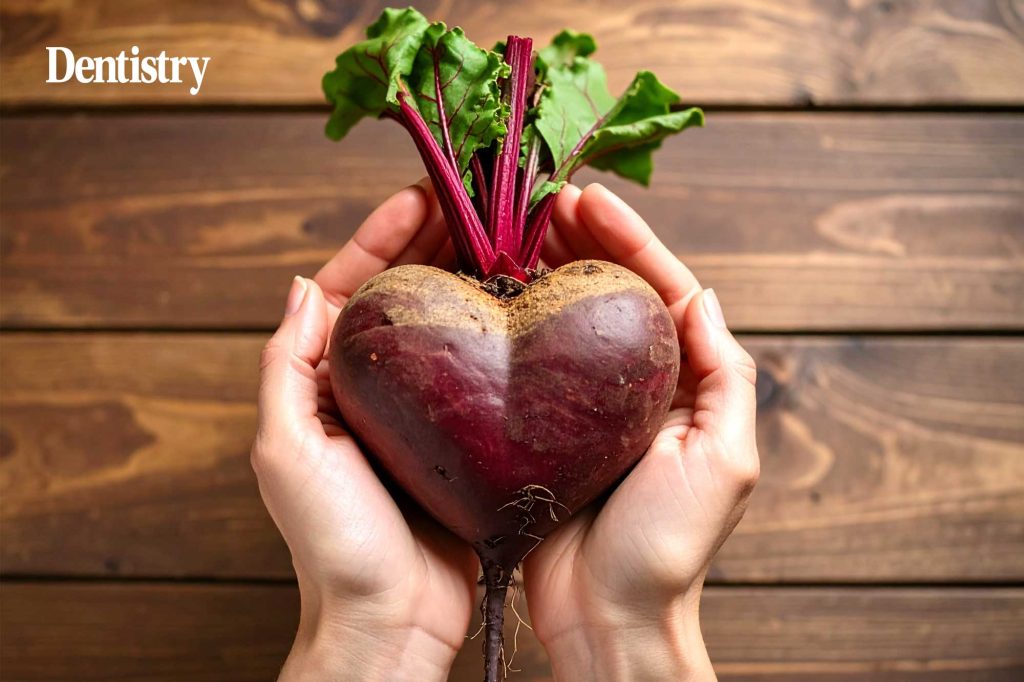
The blood pressure lowering effect of beetroot in older people may be due to its impact on the oral microbiome, a new study has found.
Researchers from the University of Exeter found that when older people drank a concentrated beetroot shot twice daily for two weeks, their blood pressure decreased. The same effect was not observed in younger adults.
The study suggests the effect on blood pressure is likely due to suppression of potentially harmful oral bacteria. It notes that an imbalance of beneficial and harmful bacteria in the mouth can decrease the conversion of nitrates found in vegetables to nitric oxide. This compound is key to healthy blood vessels and blood pressure regulation.
Study author Professor Anni Vanhatalo said: ‘We know that a nitrate-rich diet has health benefits, and older people produce less of their own nitric oxide as they age. They also tend to have higher blood pressure, which can be linked to cardiovascular complications like heart attack and stroke.
‘Encouraging older adults to consume more nitrate-rich vegetables could have significant long term health benefits. The good news is that if you don’t like beetroot, there are many nitrate-rich alternatives like spinach, rocket, fennel, celery and kale.’
How did beetroot impact the oral microbiome?
Data from 39 adults under 30 was compared that from 36 adults in their 60s and 70s to reach these findings. Each group drank frequent doses of nitrate-rich beetroot juice for two weeks and a placebo version of the juice with nitrate stripped out for a further fortnight.
The researchers then analysed the bacteria present in their mouths using a bacterial gene sequencing method. In both age groups, the make-up of the oral microbiome changed significantly after the beetroot juice. However, the changes differed between the groups.
In the older cohort, a significant decrease in Prevotella bacteria was observed, along with an increase in positive bacteria such as Neisseria. The older adults had higher blood pressure on average at the start of the experiment, which fell after drinking the beetroot juice but not the placebo.
Co-author Professor Andy Jones said: ‘This study shows that nitrate-rich foods alter the oral microbiome in a way that could result in less inflammation, as well as a lowering of blood pressure in older people. This paves the way for larger studies to explore the influence of lifestyle factors and biological sex in how people respond to dietary nitrate supplementation.’
The full study was published in the Free Radical Biology and Medicine journal in July.
Follow Dentistry.co.uk on Instagram to keep up with all the latest dental news and trends.


