Biju Krishnan discusses the unique considerations surrounding consent in elective cosmetic treatments.
In the realm of dentistry, few topics have evolved more rapidly, or provoked more philosophical eyebrow-raises, than cosmetic treatments.
Once the domain of celebrities and beauty queens, cosmetic dental work is now as routine as a six-month hygiene appointment – widely accepted, regularly requested, and part of everyday dental care. Patients come in requesting Hollywood smiles, Tiktok-trending teeth shapes, and Instagram-ready grins. And while our bonding agents, composite shades, and clear aligners have all kept pace, one crucial factor remains as nuanced and essential as ever: consent.
But not just any consent. We’re talking about informed and valid consent – especially when it comes to elective cosmetic procedures. Because while the risks may be relatively low, the expectations? Often sky high.
Let’s dig in.
The changing nature of consent in dentistry
In traditional restorative or medically necessary dental care, consent has a relatively straightforward framework. The patient needs the treatment, you explain the risks and benefits, they agree, and off you go.
Cosmetic dentistry flips that logic on its freshly whitened head.
Here, the need is subjective. The desire is aesthetic, and the outcome is often judged not by function but by feeling.
Patients are not just asking: ‘Will this work?’ but: ‘Will I like how I look?’ – a far more complex and slippery standard to manage.
This means that our conversations around consent need to evolve. It’s no longer sufficient to simply outline procedural steps and risks. We must now dive deeper, discussing motivations, expectations, limitations, and even emotions.
And no, sadly: ‘I saw it on Pinterest’ does not count as a fully informed rationale.
The psychology behind the smile
A smile is more than enamel and dentin. It’s identity, confidence, and how we show ourselves to the world. So, when a patient requests veneers or alignment for purely cosmetic reasons, they’re often hoping for more than just straighter teeth.
They want transformation.
Sometimes that’s realistic – orthodontic alignment or aesthetic bonding can truly boost self-confidence. Other times, patients may be chasing something less tangible: the approval of others, the reversal of aging, or even the elusive promise of ‘looking like someone else entirely’.
This is where dental professionals must tread carefully. Consent is not just a legal checkbox but a psychological safeguard. It’s our duty to ensure that patients understand what can – and cannot – be changed, and to assess whether their expectations are grounded.
Cue the age-old adage: under promise, over deliver. Or, in modern cosmetic terms: ‘You’ll look like a better version of you – not a Kardashian.’
Technology to the rescue
Fortunately, we now have an increasingly sophisticated toolbox to help bridge the gap between expectation and reality. Smile design software, digital mock-ups, augmented reality previews, and chairside wax-ups all offer powerful ways to help patients visualise outcomes.
This is more than a cool gadget – it’s a consent facilitator.
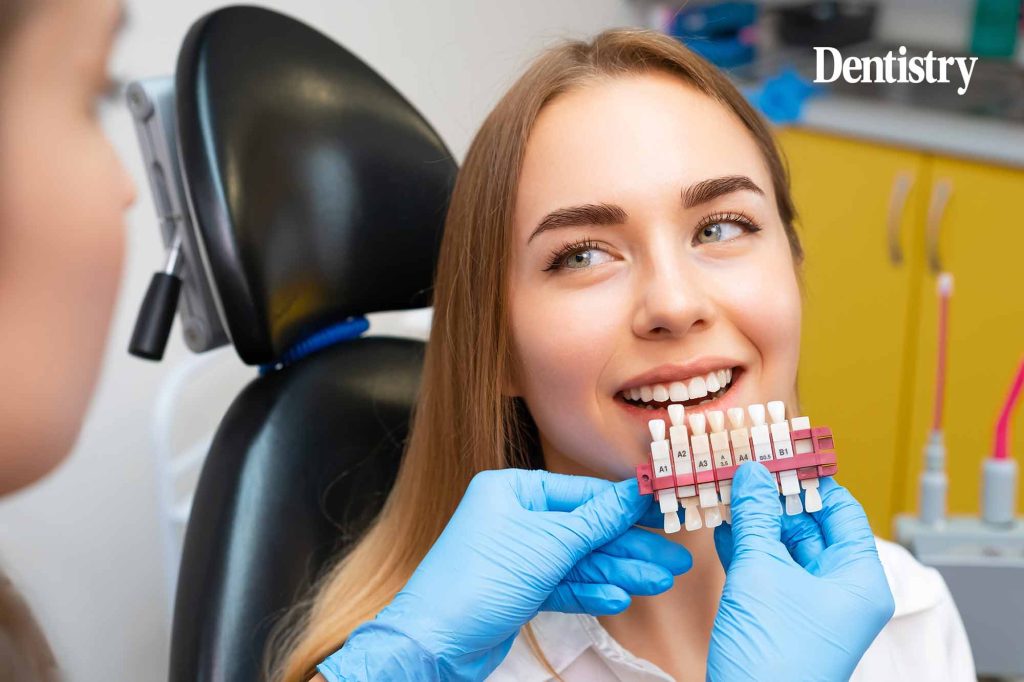
Imagine trying to describe a shade of white verbally – ‘kind of like a cool B1 but with a little A2 around the margins.’ Now compare that to a high-resolution simulation where the patient can see the proposed change in real time. No contest. These tools allow patients to feel more involved in the process and to make informed decisions based on visuals, not vague promises. They also give clinicians a moment to say: ‘Yes, that’s achievable’ or ‘Actually, your facial proportions suggest a different approach’.
Bonus: these previews can also help with post-treatment satisfaction. When patients have seen a mock-up, they’re less likely to experience ‘smile shock’ – that awkward moment when they realise what they imagined in their mind’s eye doesn’t quite match the finished result.
(And yes, there is nothing quite like a patient who points to your meticulous cosmetic work and says: ‘Hmm. It looks… different’ – I’ve been there! Several times!)
Consent you can rely on
Dentistry Consent is a revolutionary digital tool that helps protect clinicians from litigation by informing, testing and documenting patient understanding and acceptance of treatment.
Find out how you can save time, money and stress by adopting the future of valid consent today.
Grey areas and red flags
Of course, not all consent scenarios are created equal. Here are a few cautionary tales from the chairside trenches…
The overcommitted perfectionist
No matter how perfect the shade or shape, they’ll find a flaw. These patients need more time in the consultation chair than in the dental chair. Use digital previews, multiple appointments, and very clear documentation of discussions. If something doesn’t feel quite right, don’t be afraid to hit pause or refer the case on – sometimes the best treatment is knowing when not to treat.
The external influencer
Sometimes a friend, spouse, or influencer is driving the desire for cosmetic work. Always ensure that the patient is making the decision autonomously. If someone else is dominating the conversation, gently (but firmly) re-centre the focus on the patient’s own wishes.
The body dysmorphic question mark
When a patient’s dissatisfaction seems disproportionate to the actual appearance of their teeth – or they’re fixated on microscopic ‘imperfections’ – proceed with extreme caution. Cosmetic dentistry cannot treat body dysmorphia, and in such cases, referral to a mental health professional is not only wise – it’s ethical.
Legal and ethical essentials
Let’s not forget the serious side of consent: the legal ramifications. While cosmetic procedures tend to be low-risk medically, they’re high-risk emotionally. Disappointed patients are statistically more likely to file complaints or pursue litigation in elective cosmetic cases.
Thus, documentation is your best friend:
- Thorough consultation notes
- Signed treatment plans that explicitly mention limitations
- Before-and-after photos
- Written confirmation of discussions around expectations and previews
- Checking consent has been validated – that the person has actually understood what they have consented to – using tools such as Dentistry Consent.
This may seem excessive, but when someone’s idea of a perfect smile involves a set of central incisors better suited to a piano keyboard, you’ll be glad you had the most robust consent process possible.
Also, make sure to clarify what is and isn’t included in the treatment. Are revisions part of the fee? What if they want changes after seeing the result? Outline this up front.
And if you suspect they’re picturing something that’s more ‘Snapchat filter’ than dental reality? Say so.
Final thoughts
In the end, elective cosmetic dentistry is about more than aesthetics – it’s about expectation management, emotional awareness, transparent communication, and valid consent. The more intentional we are in how we approach these conversations, the more satisfying the experience – for both patient and practitioner.
So, as you pick up your digital scanner or composite gun, remember: it’s not just about teeth. It’s about trust.
And that’s something no smile simulator can generate – yet.
To mark its launch, Dentistry Consent is offering full access to the platform for just £1 per month for the first three months. It’s a risk-free way to explore a smarter, safer approach to consent.
Visit www.dentistry.co.uk/consent to get started.
Follow Dentistry.co.uk on Instagram to keep up with all the latest dental news and trends.