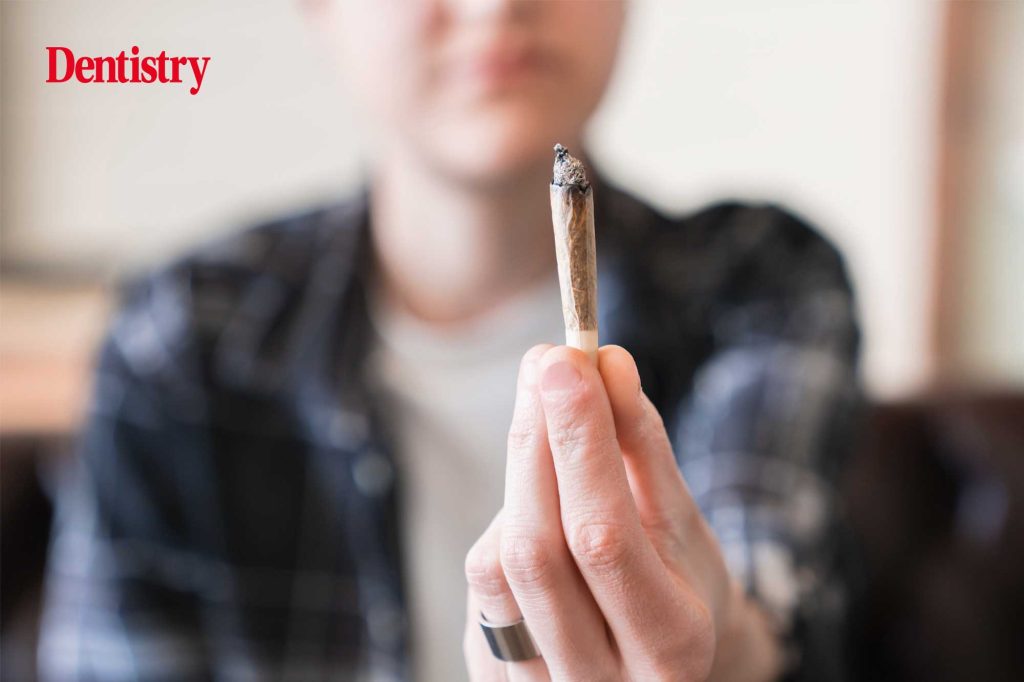
Individuals with cannabis use disorder (CUD) were found to be more than three times more likely to develop oral cancer within five years in a new study.
Previous research suggests that as many as three in 10 cannabis users will develop CUD, a formally-diagnosed cannabis addiction.
Researchers from the University of California San Diego School of Medicine analysed health records from more than 45,000 patients, establishing that those with CUD were 325% more likely to develop mouth cancer than those without.
Tobacco smokers with CUD had a 624% greater risk of oral cancer than smokers who did not suffer from cannabis addiction.
As the association between CUD and oral cancer remained high regardless of smoking status, the researchers believe that smoke inhalation is not the only factor linking cannabis use to cancer. For example, THC is thought to have immune-suppressing effects, which may contribute to cancer risk.
‘Problematic cannabis use may contribute to cancer risk’
Raphael Cuomo, associate professor at UC San Diego School of Medicine, said: ‘Cannabis smoke contains many of the same carcinogenic compounds found in tobacco smoke, which have known damaging effects on the epithelial tissue that lines the mouth.
‘These findings add to a growing body of evidence suggesting that chronic or problematic cannabis use may contribute to cancer risk in tissues exposed to combustion products.’
Professor Cuomo emphasises the need for more research on the long-term effects of cannabis use and the importance of integrating oral health awareness into substance use disorder treatment.
The study was published online in Preventive Medicine Reports.
Are there any positive effects of cannabis?
In 2023, a study found that CBD (a compound found in cannabis) was effective as an alternative to opioid painkillers for acute dental pain. Around 85% of patients given CBD saw at least a 50% reduction in pain, with the median reduction in pain at approximately 70%.
Participants who received CBD also had a stronger bite force compared to those given a placebo. This suggests that the CBD improved tooth function, making it particularly useful in cases where pain is reducing the patient’s ability to chew.
A key motivation behind the study was to find an equally effective but safer alternative to opioid painkillers.
Vanessa Chrepa, an associate professor at the Rutgers School of Dental Medicine, is the lead author of the study. She said: ‘The first line of defence for dental pain has always been anti-inflammatory medications like acetaminophen (Tylenol), ibuprofen (Advil, Motrin) or naproxen (Aleve). But many patients can’t take such medications or can’t get sufficient relief from them.
‘So, dentists have traditionally been among the largest prescribers of opioid medications, either alone or in combination with these other medications. The rise in opioid-related addiction and death has everyone looking for better alternatives. Things that can alleviate serious pain without hurting so many patients.’
Follow Dentistry.co.uk on Instagram to keep up with all the latest dental news and trends.