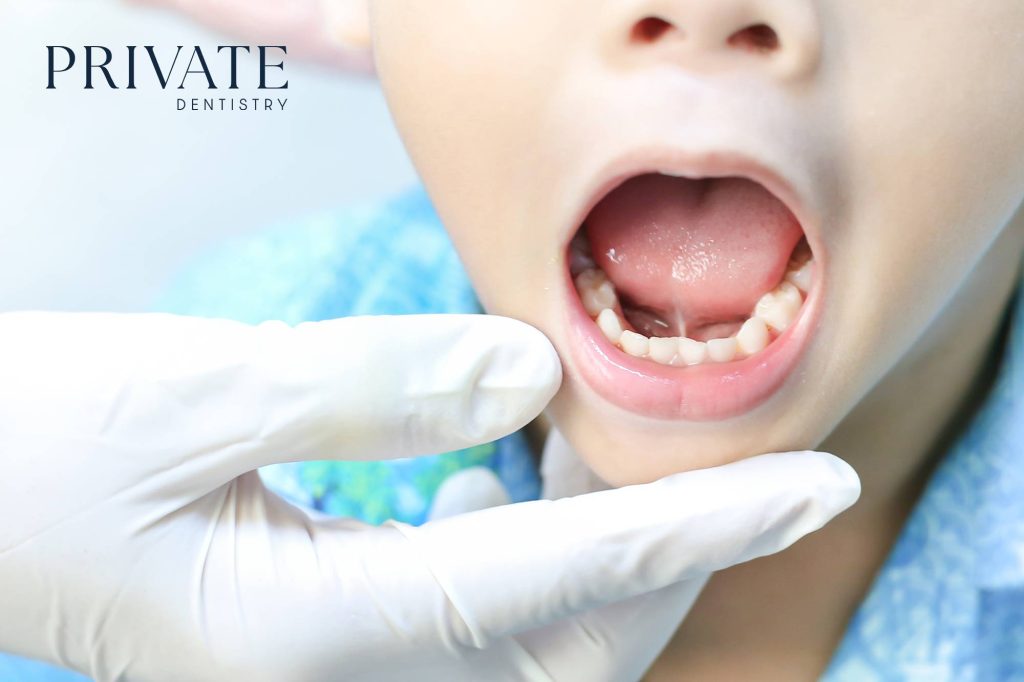
Suraj Vatish explains how early diagnosis and collaborative care of tongue ties can improve oral health and overall lifelong wellbeing.
In holistic health, the body is viewed as an interconnected system where a single issue can have widespread effects. This is particularly evident in the mouth, especially concerning the tongue. Tongue ties, also known as ankyloglossia, might seem like a minor concern, but they can significantly impact breathing, sleep, posture, swallowing, and overall wellbeing.
What is tongue tie?
A tongue tie occurs when a band of tissue, the lingual frenulum, connecting the tongue to the floor of the mouth restricts tongue movement. While some tongue ties are easily noticeable, many are considered mild and often remain undiagnosed, especially if they don’t interfere with infant feeding. However, even subtle restrictions can affect growth, development, and function over time.
From a holistic dental perspective, the tongue’s role extends beyond speaking and eating; it’s crucial for the structure and function of the entire face and airway.
Sign in to continue reading
Free access to our premium content:
- Clinical content
- In-depth analysis
- Features, reports, videos and more
By joining, you’re helping to support independent, quality journalism that keeps dental professionals informed and empowered – and allowing us to keep delivering the insights you value most.