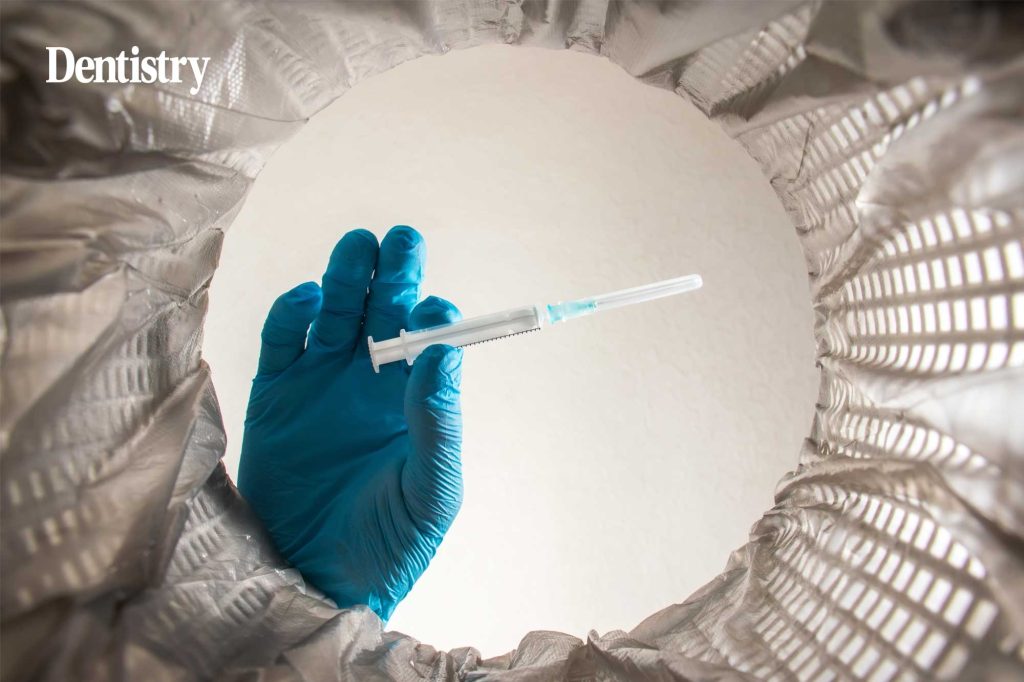
Pat Langley provides an update changes to HTM 07-01 and what every dental team needs to know about healthcare waste.
The update to HTM 07-01 (the safe and sustainable management of healthcare waste) published in 2023 might not have topped your summer reading list – but it probably should! It brings big changes to how healthcare waste is managed in dental settings, with new expectations around sustainability, infection risk and waste segregation.
If you’re thinking that sounds complex, you’re not alone. But with the right understanding – and the right systems – it doesn’t have to be overwhelming.
From universal to risk-based
Until fairly recently, dental practices managed all aspects of infection control, including the management of clinical waste under the principle of universal precautions: assume every patient may be infectious, and treat their waste accordingly. But HTM 07-01 (2023) moves towards a much more risk-based approach. That means waste should only be classified as infectious if it’s from a patient with a known or suspected infection.
For patients assessed as not infectious, risk-based segregation is key. Items contaminated with bodily fluids from a patient who does not have a known or suspected infection may now be classed as offensive waste and should go into tiger-striped bags. Other items – such as clean packaging or uncontaminated waste – may be suitable for domestic or even recyclable waste streams.
This shift reduces unnecessary hazardous waste, but it also requires clear documentation, careful segregation and a team that understands the difference.
Infection risk is still real
Many infections can be undiagnosed, asymptomatic or unreported. So HTM 07-01 doesn’t mean you drop your guard, it means you risk assess.
That’s why up-to-date medical histories, ongoing team training, and a culture of vigilance are more vital than ever.
Storage, sharps, and sustainability
The latest guidance also reinforces some familiar messages:
- Don’t overfill bags – seal them using the swan neck method
- Store waste securely, away from patient areas
- Label all bags and containers with the correct EWC codes.
But perhaps the biggest change is in mindset. HTM 07-01 puts sustainability front and centre. Practices are expected to reduce single-use plastics where possible and increase the use of reusable alternatives that are autoclavable.
Practical support when it matters
Yes, there’s a lot to take in – but that’s exactly why we created Dentistry Compliance. Designed to simplify, not overwhelm, our platform gives you:
- A live, at-a-glance view of your practice’s compliance status
- Built-in tools to track and store waste documentation
- Easy-to-run, inspection-ready waste audits and training records
- Ongoing support to help your team stay aligned and confident.
It’s practical, intuitive and built for busy practices – so you can focus more on your patients, and less on paperwork.
Fulfil all your compliance requirements with Dentistry Compliance. Visit dentistry.co.uk/compliance for more information or simply book a demo with one of our compliance consultants.
This article is sponsored by Dentistry Compliance.