
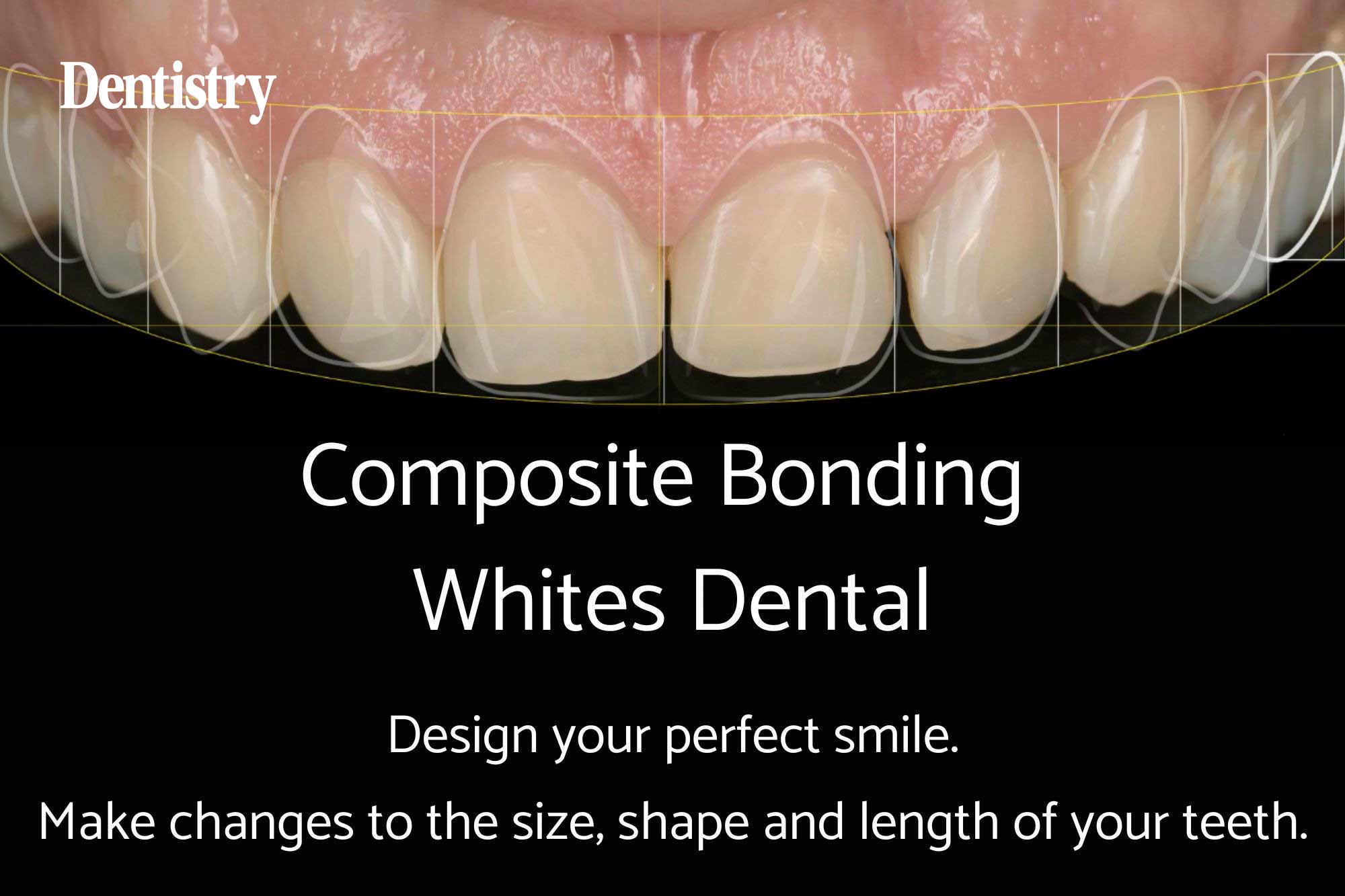
Londoners are looking to improve their smiles without the drama of drills or commitment of veneers – that’s where composite bonding steps in.
Across London, cosmetic dentistry is evolving. The rise reflects a broader move towards minimally invasive aesthetic dentistry, away from invasive treatments and toward artistry, balance, and preservation. This shift is subtle but well documented across literature, including in the British Dental Journal’s review of modern composite techniques. Patients are no longer chasing the ‘perfect’ smile, they want one that looks like them, only better.
Composite bonding sits at the centre of this movement. Once viewed as a quick aesthetic fix, it’s now seen as a refined design tool in the hands of skilled clinicians. It’s changing how patients think about cosmetic treatment and how dental professionals approach minimally invasive smile design.
At Whites Dental, with clinics in Waterloo and Marble Arch, that change is happening daily. The demand for natural, hand-crafted smile enhancements has never been higher, and Londoners are increasingly selective about where they go for it.
A new kind of patient
The London dental market reflects a unique mix of lifestyle, culture, and expectation. Patients are highly informed, digitally literate, and increasingly aware of their options. They research clinicians, compare before-and-after images, and often arrive with specific aesthetic preferences shaped by design, media, and fashion; not just dentistry.
These patients don’t want drastic alterations. They’re asking for enhancement over transformation, for confidence without compromise. The appeal of composite bonding lies in its ability to:
- Preserve enamel: A key ethical and clinical consideration that resonates strongly with modern patients
- Offer immediate, visible results with little to no downtime, fitting the pace of London life
- Deliver natural, personalised outcomes through skilled, layered artistry rather than uniform templates.
Where veneers once dominated, composite bonding has stepped in as the intelligent, conservative choice for patients who understand that good dentistry shouldn’t erase character — it should refine it.
The London standard: subtlety, design and precision
London’s aesthetic expectations are distinct. Patients want results that look effortless. The work should be invisible, yet transformative. That level of subtlety requires both technical mastery and artistic restraint.
Clinicians across the capital are responding by refining their bonding techniques; incorporating digital smile design, microlayering, and shade mapping to achieve outcomes that are both functional and beautiful.
At Whites Dental, this philosophy underpins every case. The process goes beyond material placement. Each smile is designed in proportion to facial structure, lip line, and natural light reflection, ensuring the result complements, rather than competes with, the patient’s features.
Composite bonding as a design tool
For many clinicians, composite bonding has evolved from a restorative adjunct into a central component of aesthetic practice. Its versatility allows for:
- Correction of symmetry and proportion
- Closure of microgaps
- Rebalancing of worn or uneven edges
- Masking of internal discolouration
- Subtle smile harmonisation.
What’s driving its popularity isn’t just the result, but the process. Patients value being part of the creative journey; seeing mock-ups, approving shapes, and understanding the artistry involved. This collaborative approach strengthens trust and engagement, reinforcing dentistry’s reputation as both science and art.
The Whites Dental Approach
At Whites Dental, composite bonding is viewed not as a cosmetic shortcut, but as an art form grounded in ethics and design. The team’s approach combines digital smile planning, manual sculpting, and precision finishing to deliver results that are tailored, not templated.
Every treatment begins with detailed assessment — including shade calibration, facial analysis, and photographic planning — ensuring predictability and natural harmony.
Patients come to Whites Dental because they’ve seen the difference in tone, translucency, and detail that distinguishes truly skilled composite work. The results don’t just look good on camera; they stand up to the scrutiny of everyday life.
Why this matters for the profession
The rise of composite bonding in London reflects a broader shift within dentistry itself. It’s emblematic of a profession increasingly defined by conservation, aesthetics, and patient-led care.
For clinicians, it raises important questions about the future of cosmetic treatment:
- How do we maintain artistic control while embracing digital design tools?
- How do we educate patients on the limitations – and strengths – of reversible aesthetics?
- And how do we ensure that rapid aesthetic demand doesn’t outpace the ethics of minimal intervention?
Practices like Whites Dental demonstrate that success in cosmetic dentistry today isn’t just about technical execution — it’s about philosophy. It’s about valuing natural structure, respecting patient individuality, and refining rather than reinventing the smile.
Aesthetics with integrity
Composite bonding has become a symbol of where modern dentistry is heading: less invasive, more collaborative, and deeply focused on natural beauty.
In London, where expectations are high and authenticity matters, that approach has redefined the standard.
At Whites Dental, the focus remains on artistry, subtlety, and care – giving patients results that not only look beautiful but feel entirely their own.
If you are a dental professional seeking a trusted partner for advanced composite bonding or aesthetic cases, Whites Dental welcomes your referrals. For more information about its composite bonding, please visit www.whitesdental.co.uk.
This article is sponsored by Whites Dental.


