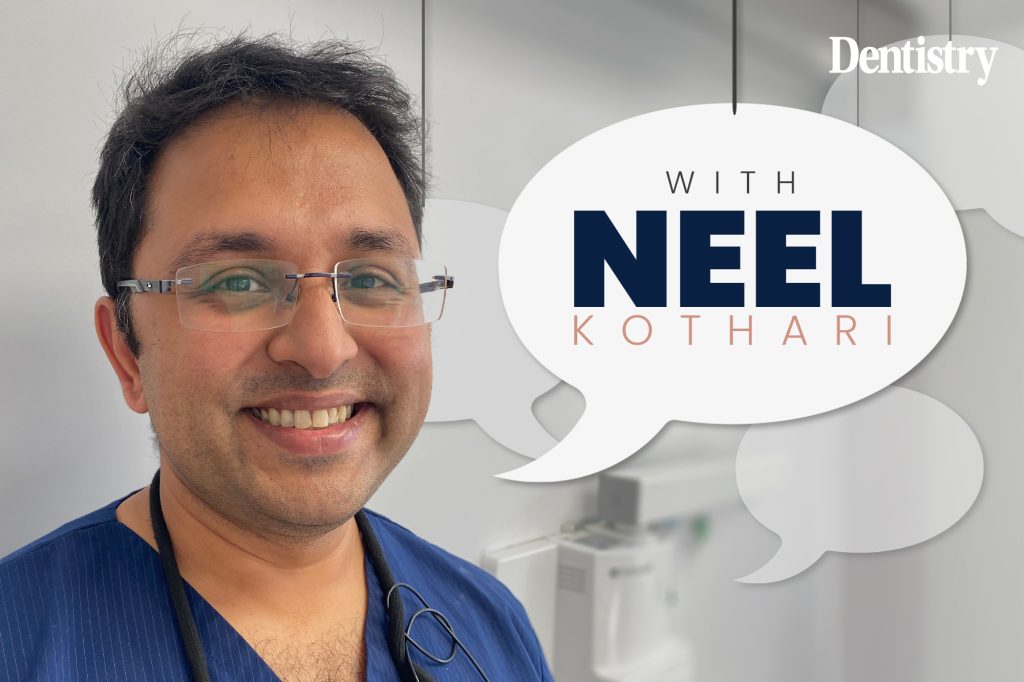
Neel Kothari considers whether NHS dentists in the UK are obliged, or even able, to step in when overseas ‘Turkey teeth’ procedures result in complications.
Firstly, let me apologise to my Turkish colleagues for using the term ‘Turkey teeth’. It goes without saying that there is good and bad dentistry everywhere. When I use that term, I am specifically referring to the mass output butchery by some of our colleagues who choose to sacrifice long-term health for a quick fix smile that is uniform in colour. Said colour of course being set by Armitage Shanks as opposed to the Vita classical guide that we are all familiar with.
Of course, this type of barbarism exists in many places (including the UK) and needs to be differentiated from the excellent work of many of Turkey’s esteemed dentists who are practising at the highest level.
Nevertheless, it has become commonly known that Turkey is the go-to place for cheap cosmetic work. The social media fuelled promise of low costs whilst simultaneously having a holiday seems to be an allure that many simply cannot resist. At the same time, it is crystal clear that the mass destruction of teeth will ultimately lead to a lifetime of ongoing dental issues resulting in pain, infection and significant ongoing costs far exceeding the initial costs of treatment.
With NHS primary and secondary care already on its knees, this raises the question, what exactly should the NHS do to address these problems when things go wrong?
Sign in to continue reading
Free access to our premium content:
- Clinical content
- In-depth analysis
- Features, reports, videos and more
By joining, you’re helping to support independent, quality journalism that keeps dental professionals informed and empowered – and allowing us to keep delivering the insights you value most.