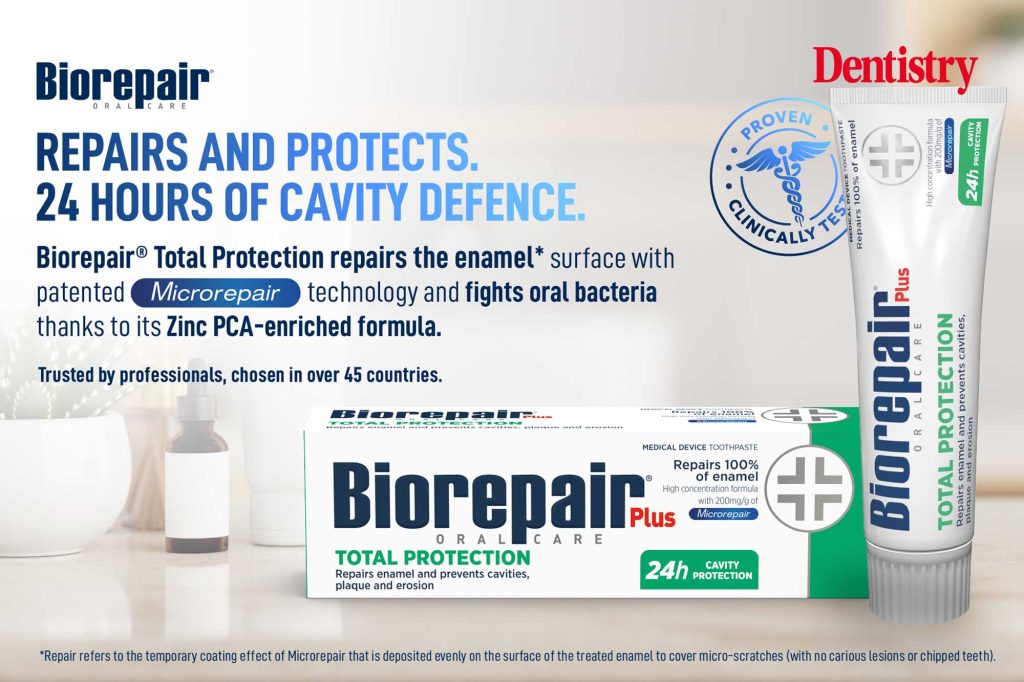
Coswell explains what Microrepair particles are and its benefits for mimicking natural enamel in modern dentistry.
Microrepair particles are biomimetic zinc-hydroxyapatite crystals very similar to tooth enamel capable of binding to enamel, recreating the natural protection of the tooth and repairing its surface homogeneously, creating a coating that protect the tooth.
Dental enamel is the most mineralised tissue in the human body, composed of about 96% hydroxyapatite crystals. It protects dentin and pulp from thermal, chemical and mechanical stimuli. However, being an acellular tissue, it has no regenerative capacity: any damage, even microstructural, is irreversible if not treated.
Micro-lesions: clinically invisible, with evolutionary risk. Initial enamel changes – chemical erosion, mechanical stress, abrasion – generate micro-cracks <5 mm, often not visible during the standard clinical examination. These micro-lesions represent an active entry point for oral bacteria, promoting colonization, biofilm formation and localized demineralization.
It is therefore necessary to have a treatment that guarantees:
- Uniform coverage of the enamel surface
- Stable adhesion
- Structural integration with the dental matrix.
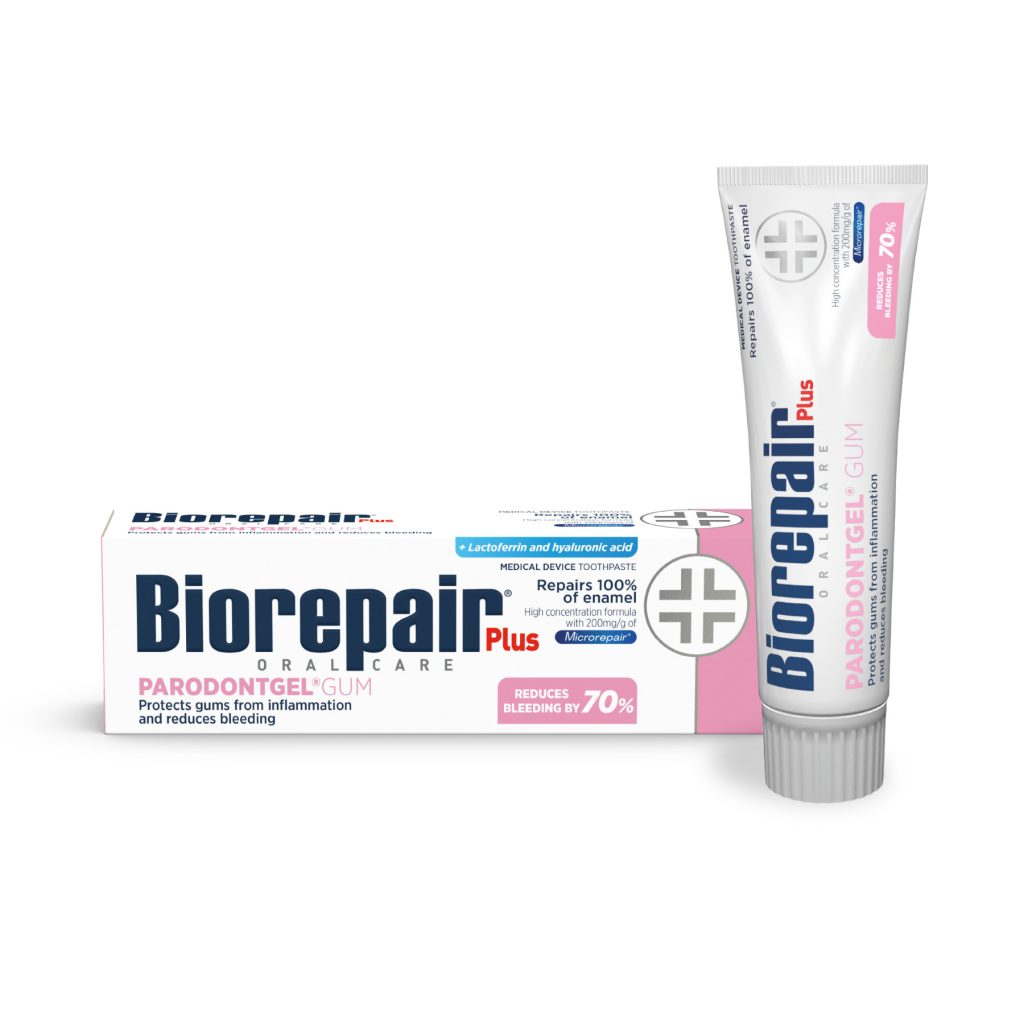
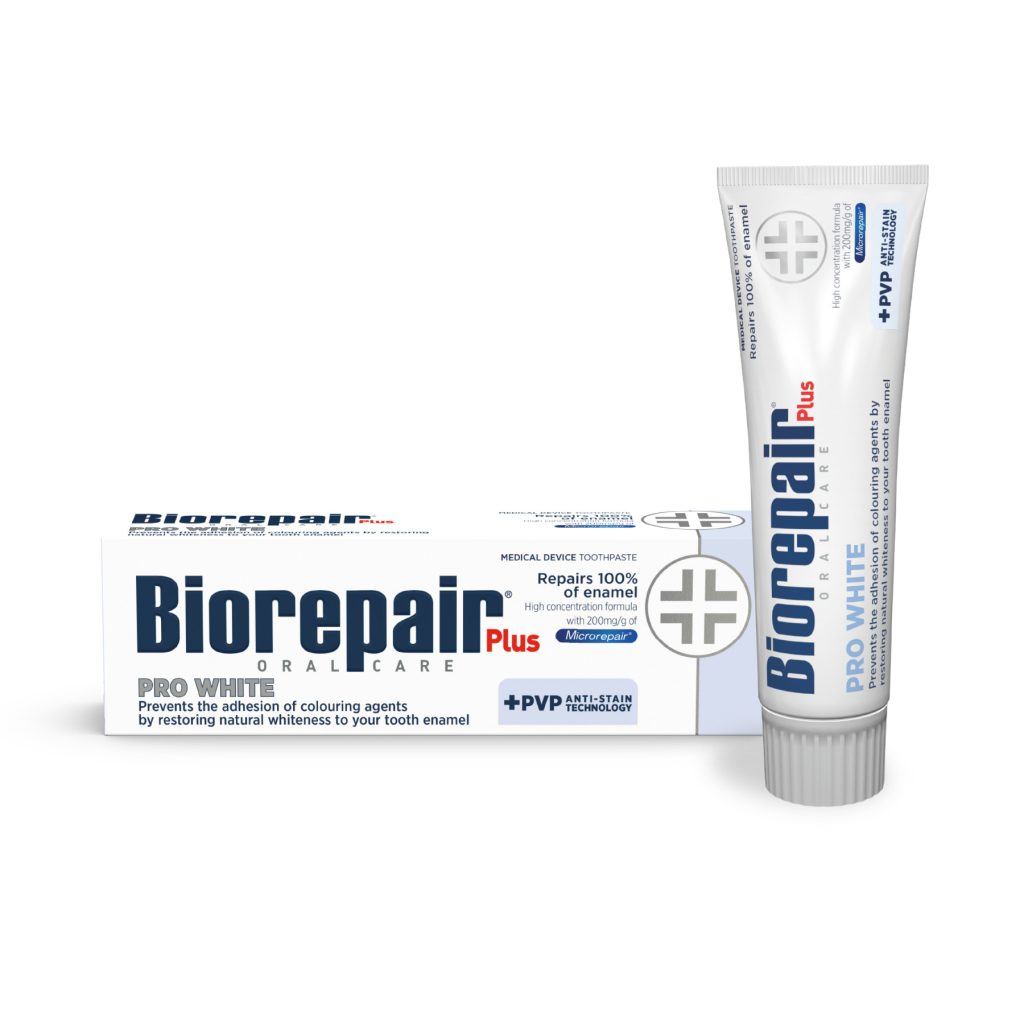
What makes Microrepairs special?
Microrepairs are zinc-carbonate-hydroxyapatite crystals synthesised with a patented bottom-up process, which allows precise control of the micrometric size of the crystals. This innovative process gives Microrepair three distinctive properties:
- Surface and shape: the jagged, irregular surface maximizes interaction with the glaze, promoting adhesion and uniform coverage
- Amorphous: configuration mimics the structure of natural dental hydroxyapatite, making the particles more reactive and able to integrate into the mineral lattice of the damaged enamel
- Zinc-substituted: structure with zinc ions ensures a prolonged and effective antibacterial release.
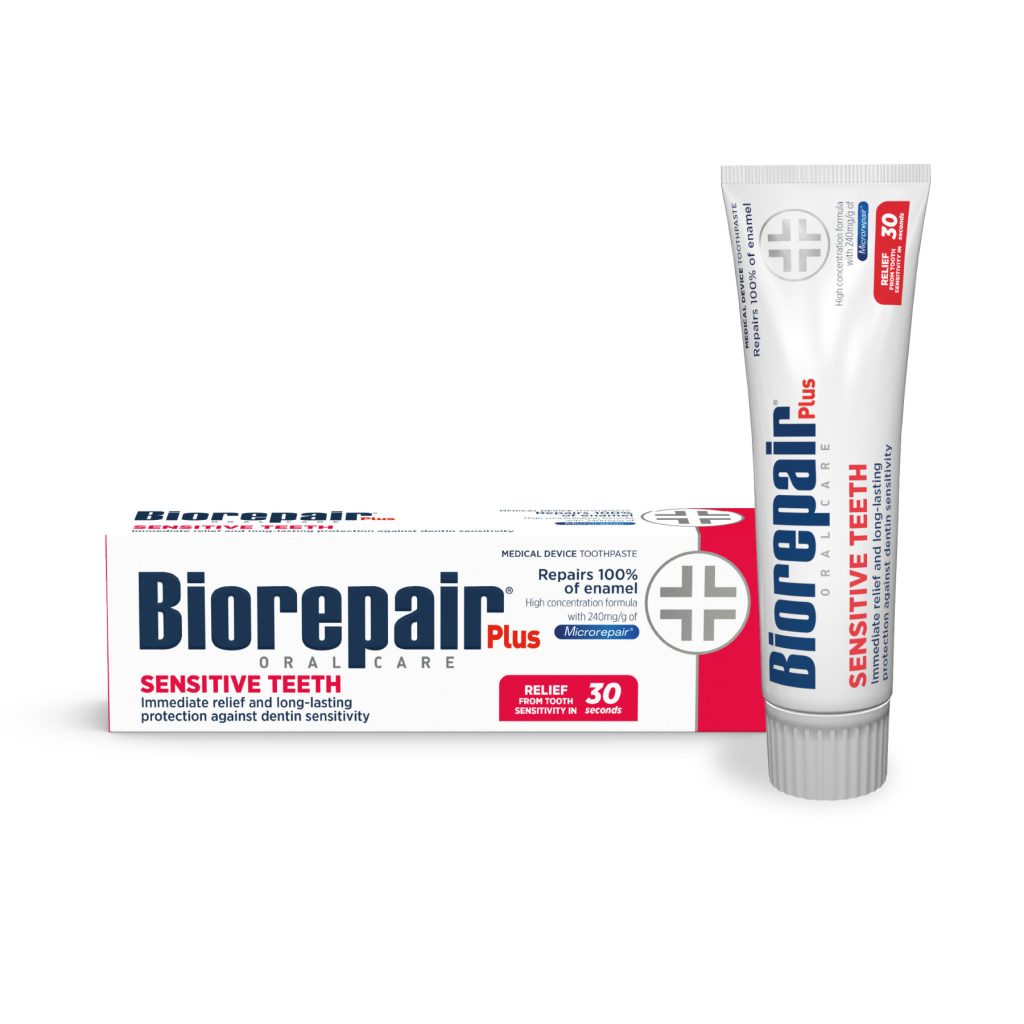
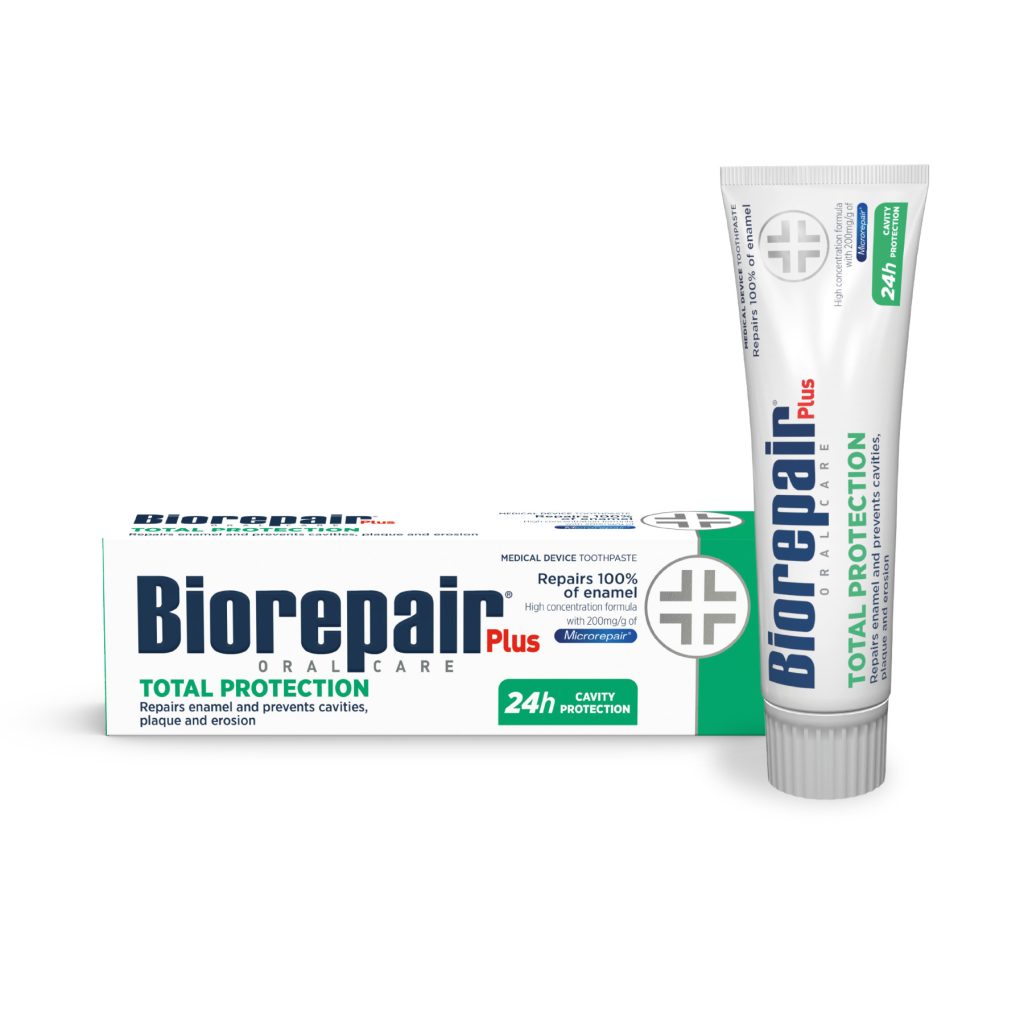
Full coating technology, full surface coverage: active protection, not just barrier
Thanks to these properties, Microrepairs do not only protect, but actively interact with the surface of the enamel, creating a full coating effect. This makes it possible to:
- Fill micro-lesions
- Strengthen the prismatic structure of the glaze
- Reduce dentin sensitivity
- Hinder bacterial adhesion.
Available to buy at:
DHB Oral Healthcare Ltd
Ambe House
Commerce Way
Edenbridge
TN8 6ED
This article is sponsored by Coswell.